 Corgi
Corgi training. Short legs, big ideas.
Reward-based training for a bold little herder with a big bark and an even bigger appetite.
11 challenges, three levels
Real Corgi problems, each with a clear way through. Start at level one and work up.
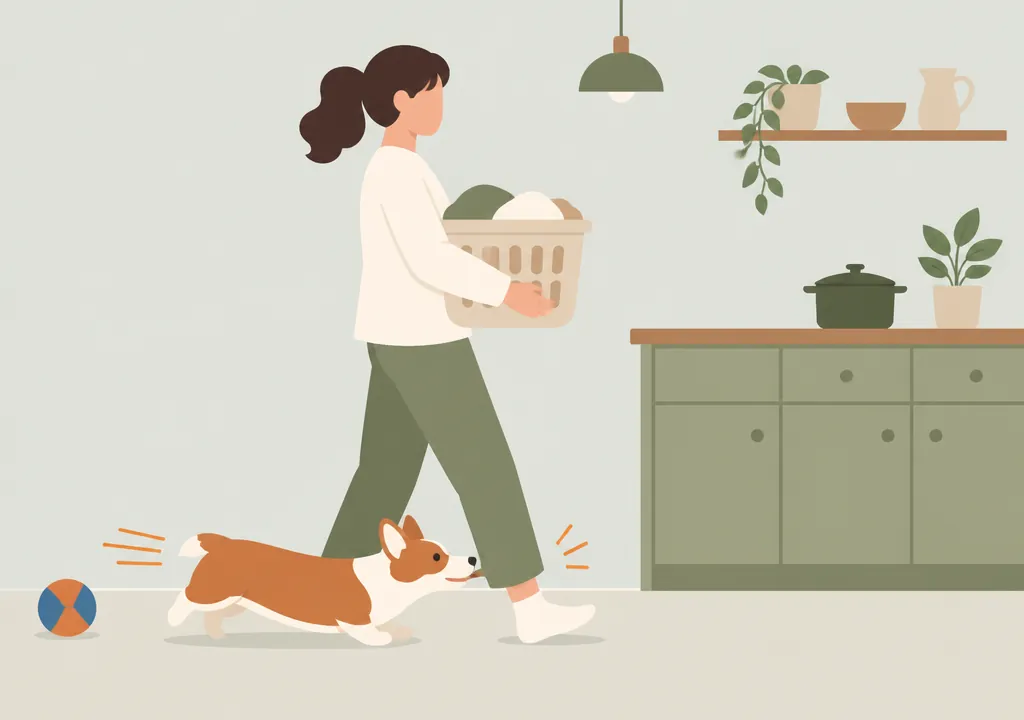 Nipping at heels
Herding instinct, aimed at a toy instead.
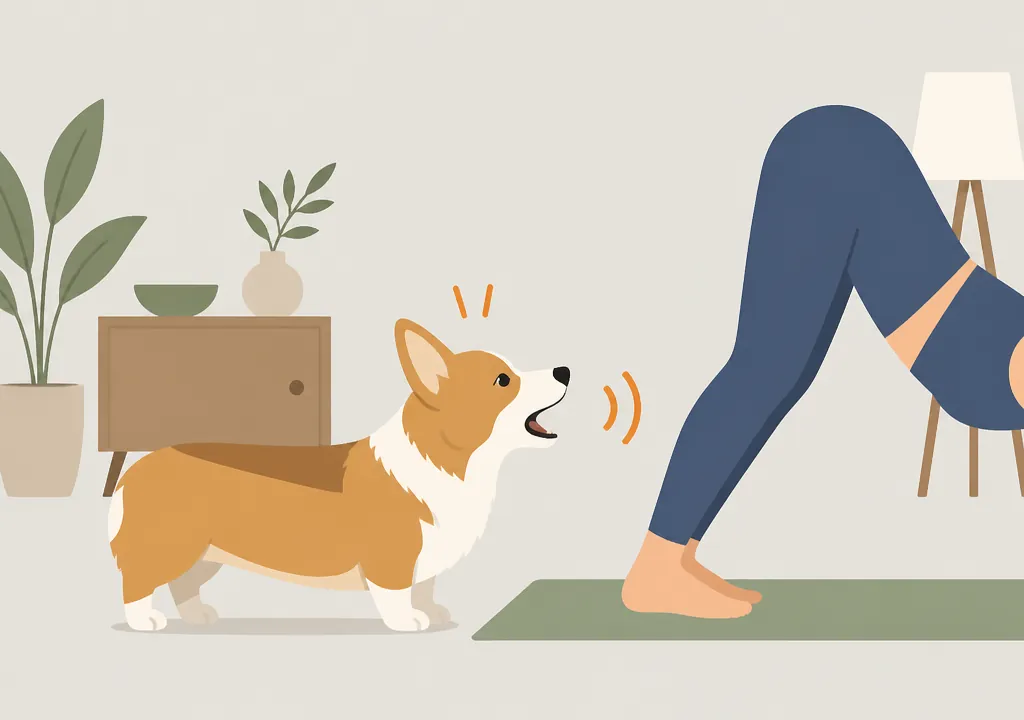 Bossy barking
Quiet ways to ask for what it wants.
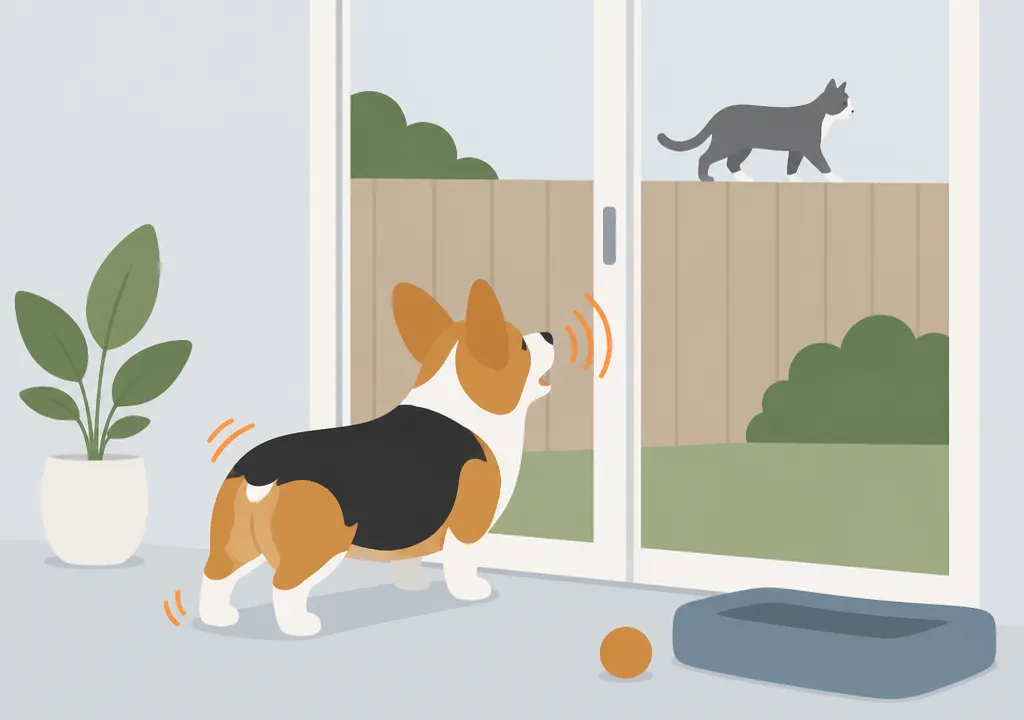 Barking at the window
One alert, then quiet.
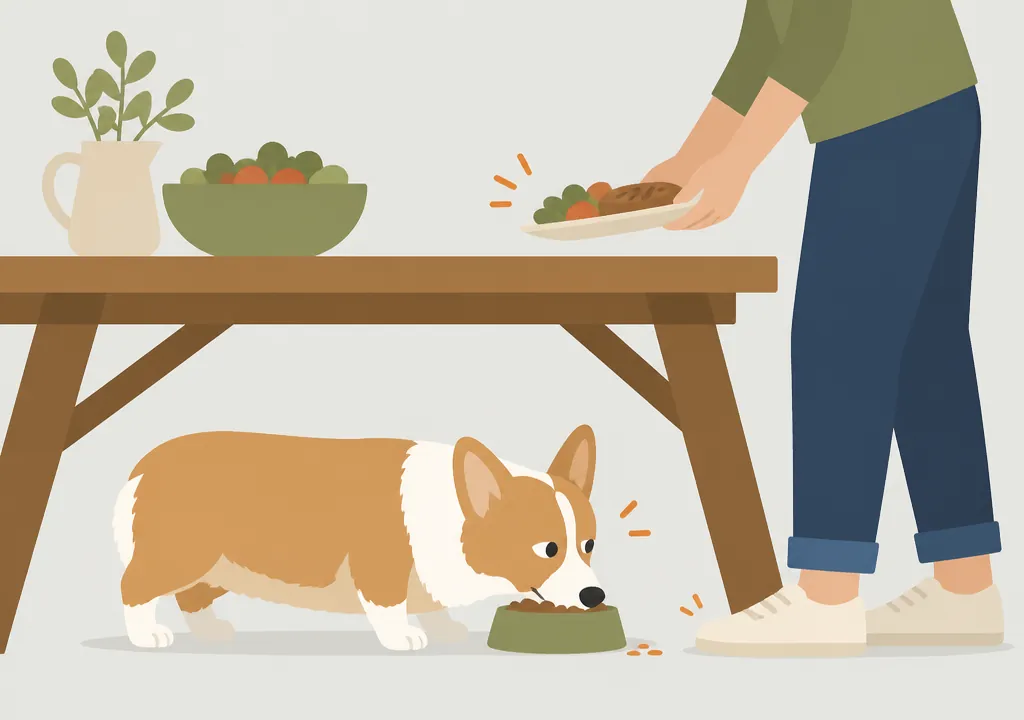 Guarding food
Trust around the bowl.
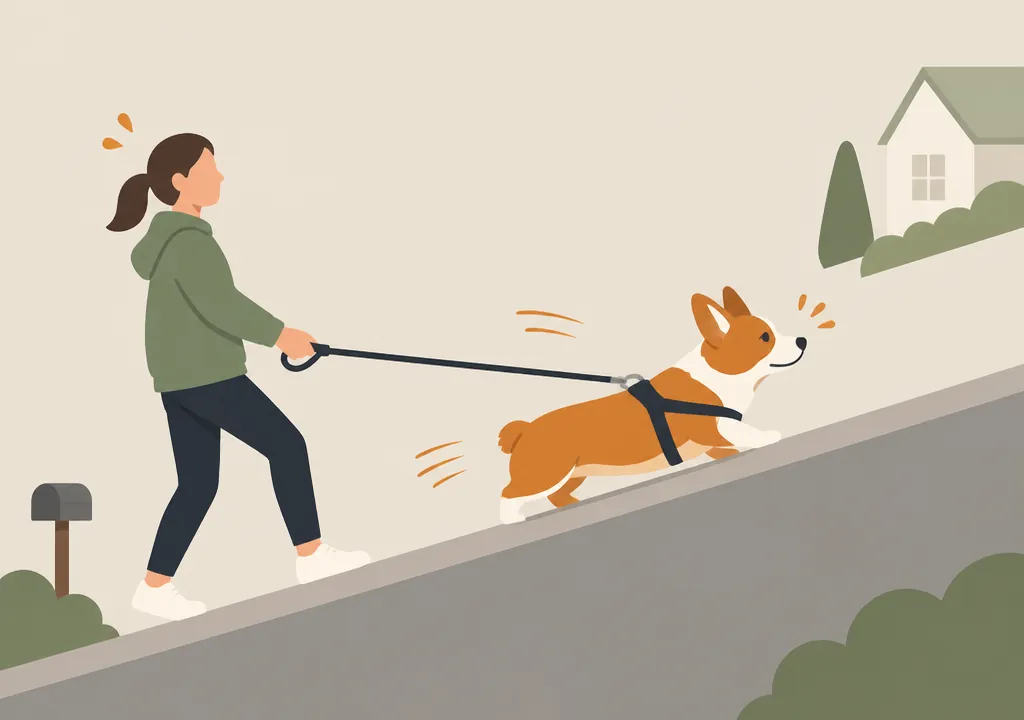 Pulling on the leash
Short legs, strong pull.
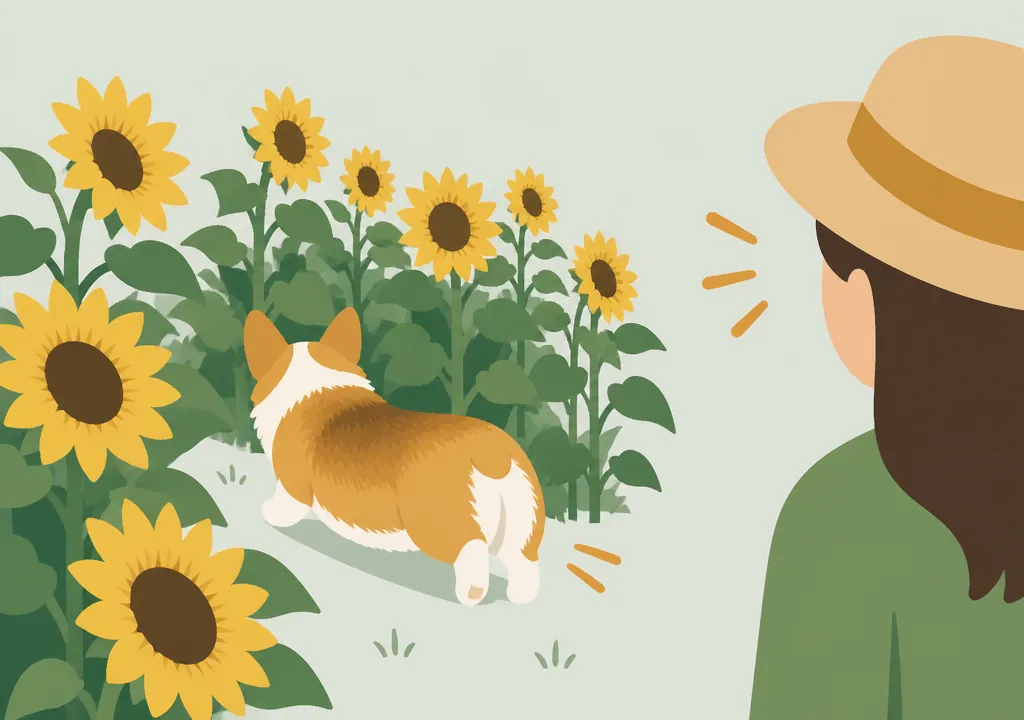 Selective hearing
A recall worth coming back for.
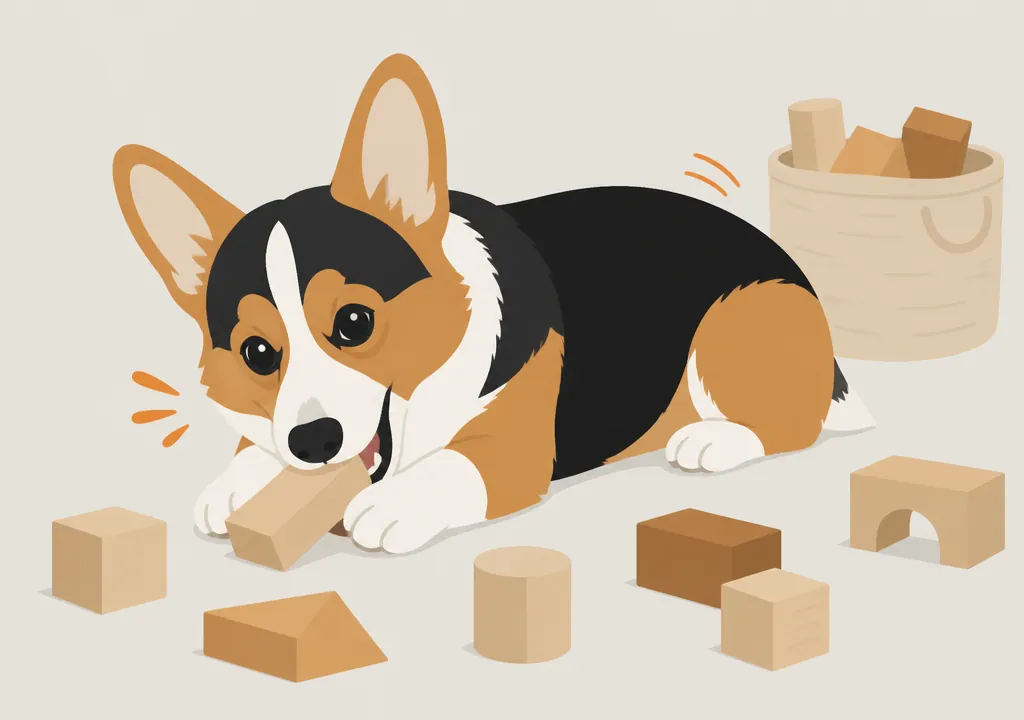 Chewing and stealing
The right chews for busy jaws.
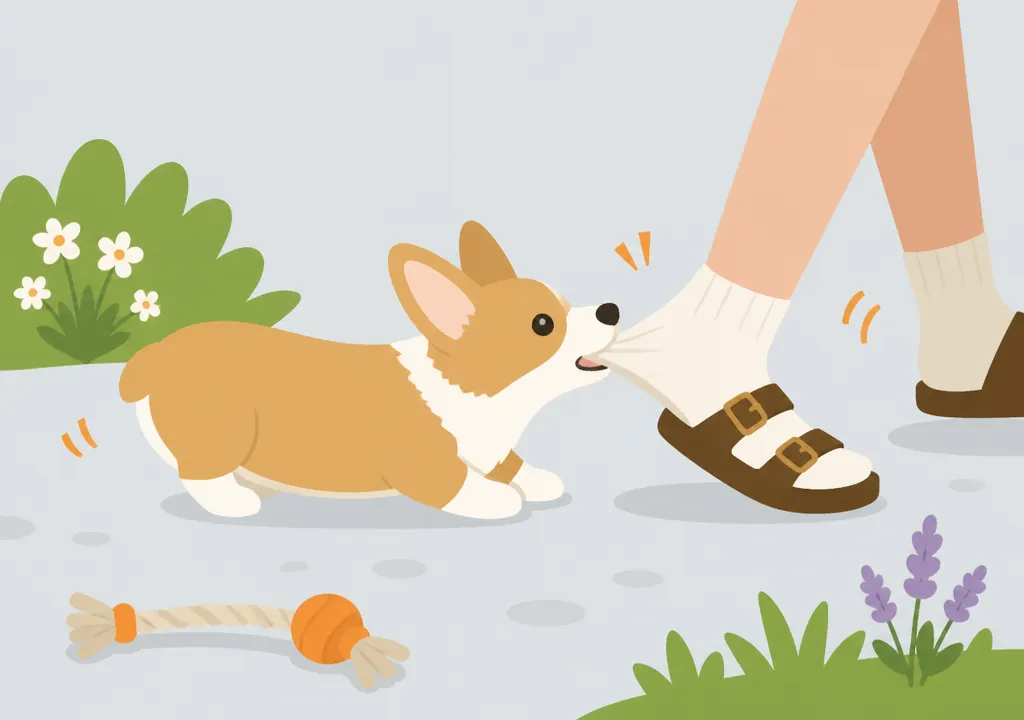 Puppy biting
Herding puppies love ankles. Redirect.
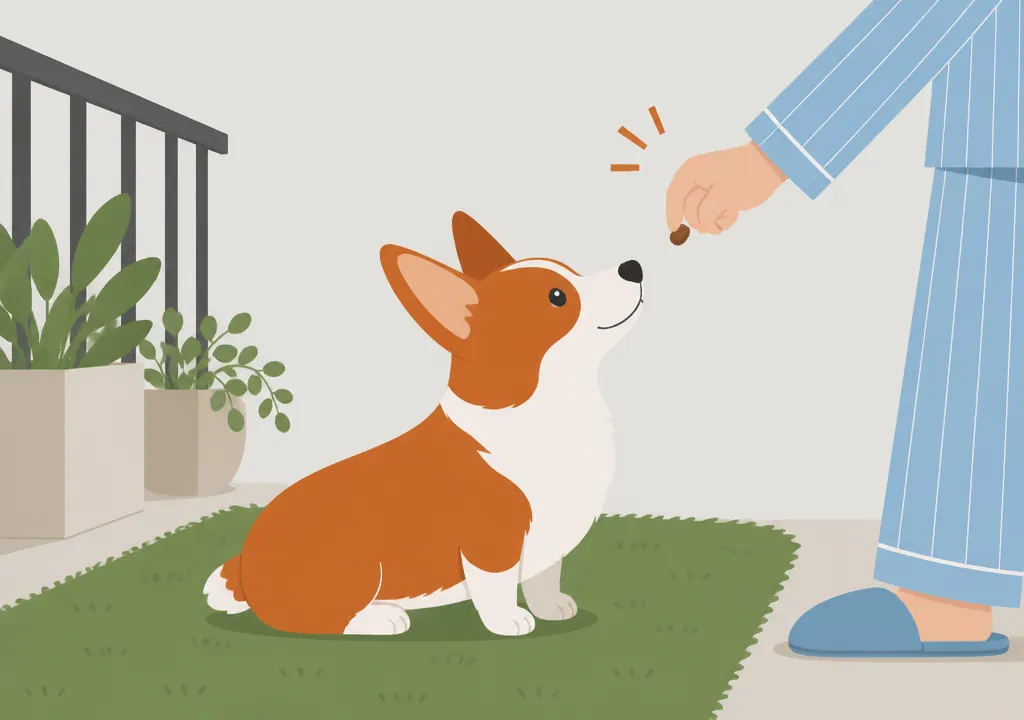 House training
A clear routine for a small bladder.
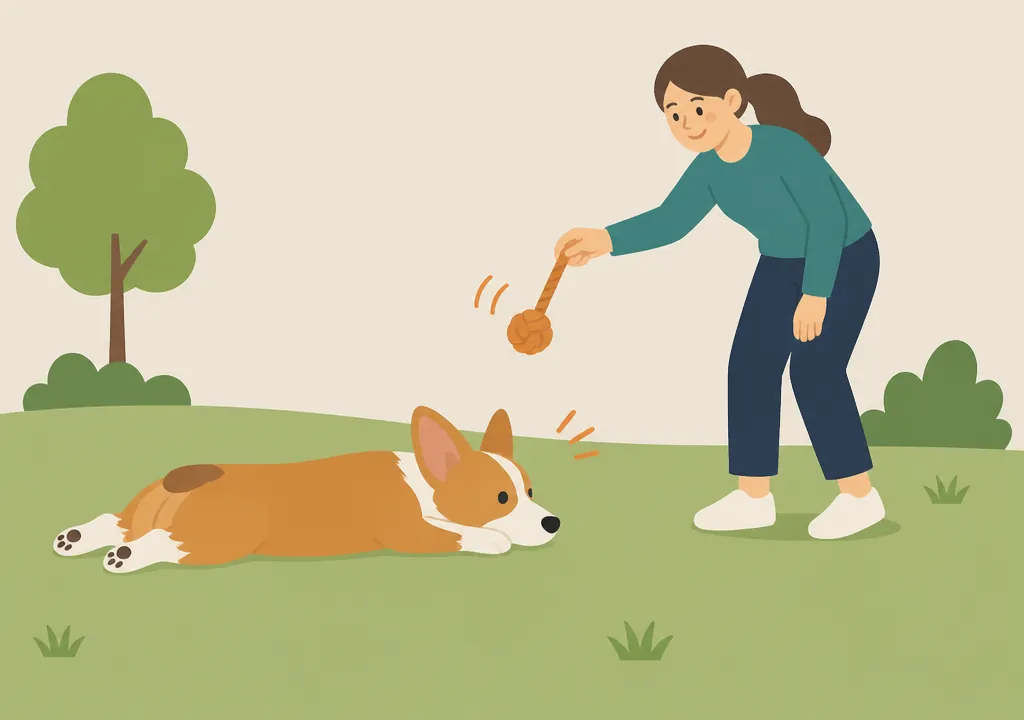 A stubborn streak
Motivate a dog with its own opinions.
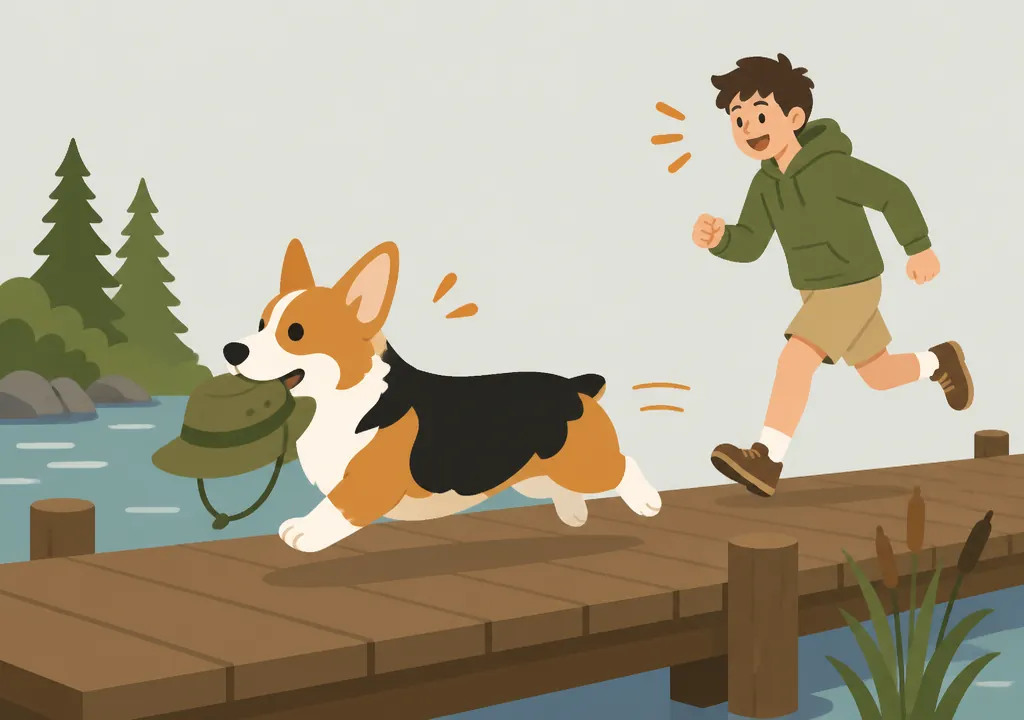 The teenage months
Patience while a young Corgi tests limits.
Pembroke Welsh Corgi training guide
A small herding dog with a big opinion, food motivated and clever enough to argue.
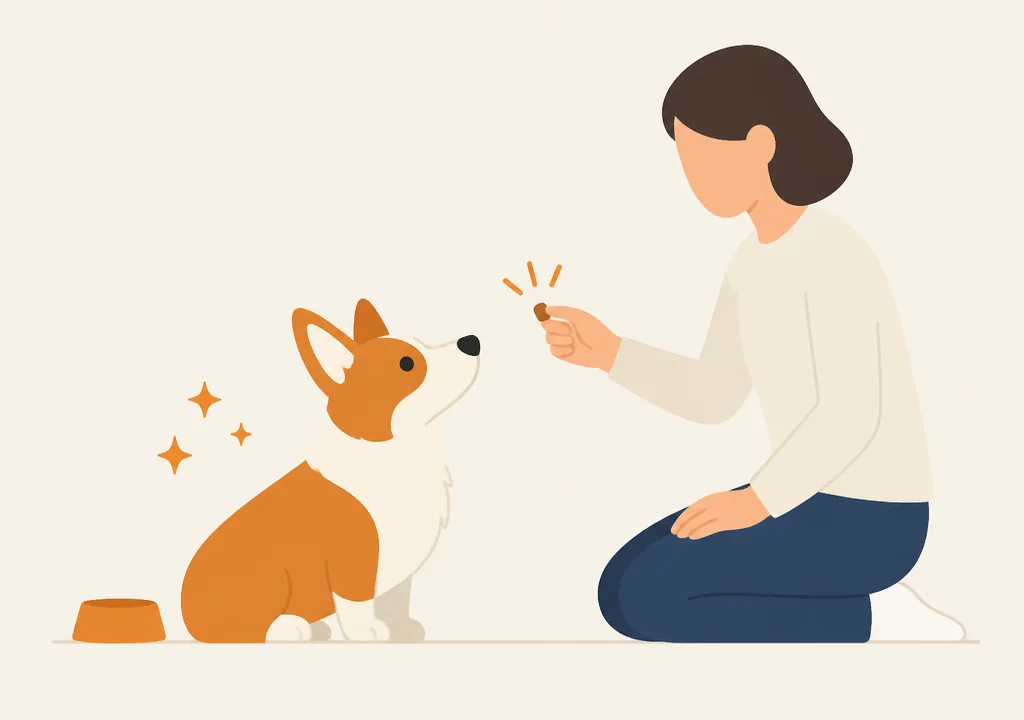
Food is the lever
Corgis are food motivated and rate well for trainability, so treats make lessons easy. They also gain weight easily, so rewards are measured and part of the daily ration.
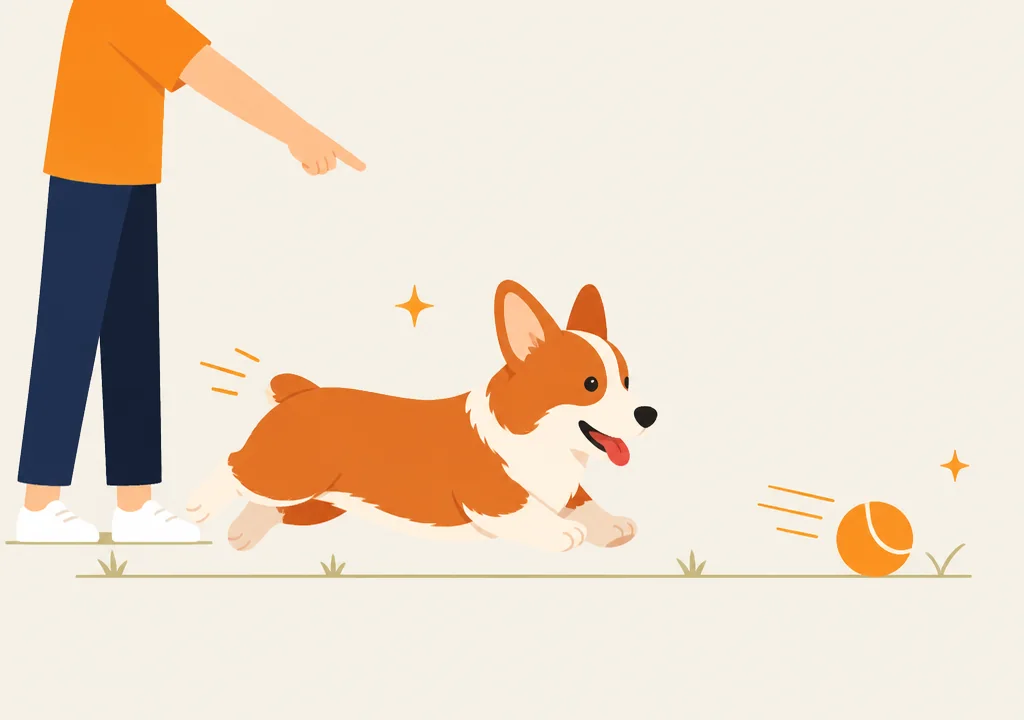
Herding heels
Heel nipping is herding instinct, not bad temper. Redirect it into games and a job, and reward calm feet around running children from puppyhood.
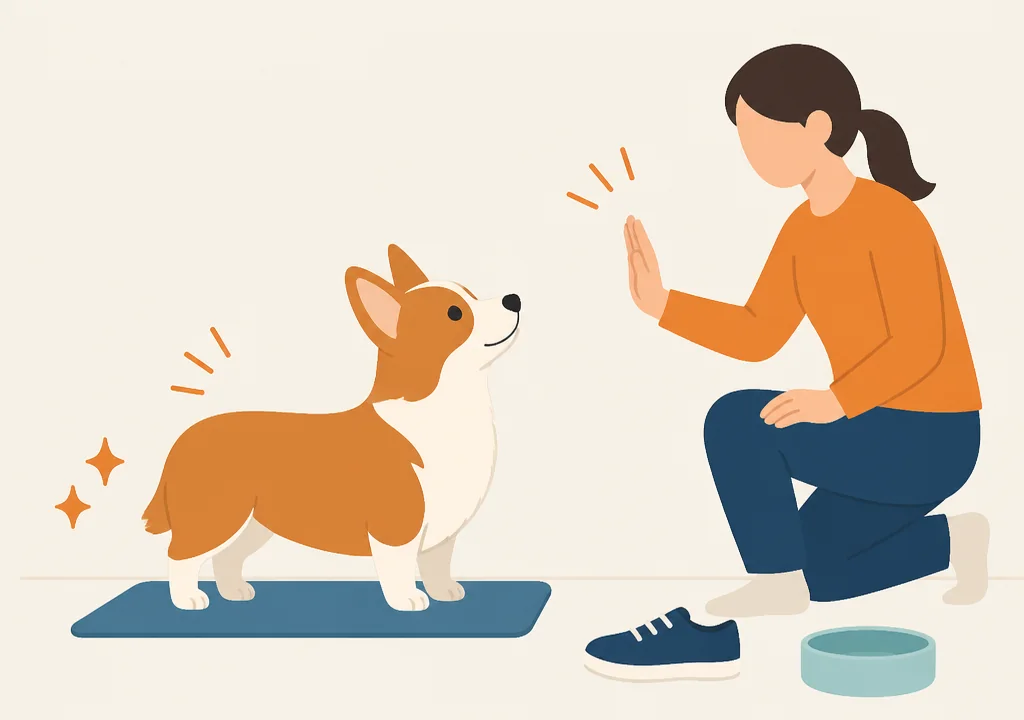
Bossy and bright
A bright, bossy dog argues when rules are vague. Clear household rules and short sessions keep the attitude charming rather than tiresome.
Advice for every age
Most training works the same at any age. If you want extra help, pick a stage to see what often comes up then.
Little herder
House training, gentle mouths and short games.
Big dog brain, small dog body
Corgis were bred to herd cattle, so they think big. We give that confidence a job and protect that long back.
- ✓Rewards and games, never force
- ✓Exercise that is kind to backs
- ✓Quiet treated as a skill