 Corgi
11 Corgi training topics
Every common Corgi challenge, with first steps and guides to read.
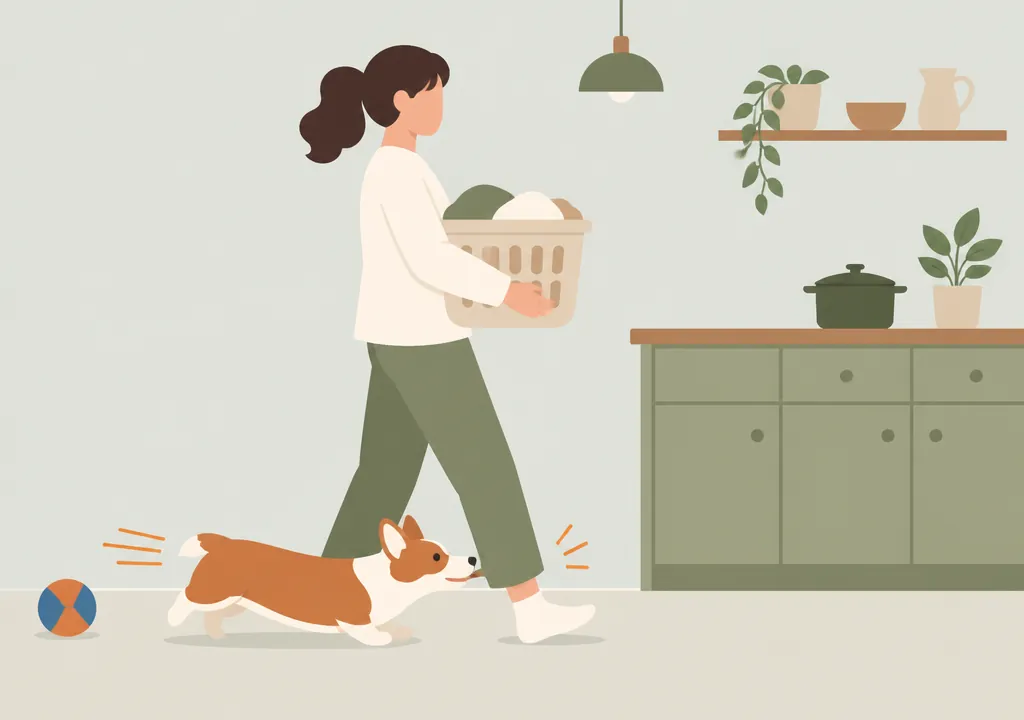
Nipping at heels
Herding instinct, aimed at a toy instead.
People should be able to cross a room without a Corgi directing their feet. Cats and other dogs need that freedom too. Circling, barking at movement and reaching for heels can reflect a herding background, but the household still needs a practical arrangement that protects everyone while the dog learns a different response.
Pembrokes and Cardigans are separate breeds with histories of moving livestock. That history helps explain an interest in motion without making every chase the same problem. Below, we examine the routes through your home, teach a useful place beside the action and introduce manageable movement with an adult helper. The aim is ordinary family movement, supported by suitable activities that never depend on a child or another pet being chased.
Read the full guide: Corgi Herding Behavior: When They Herd Kids, Cats and You
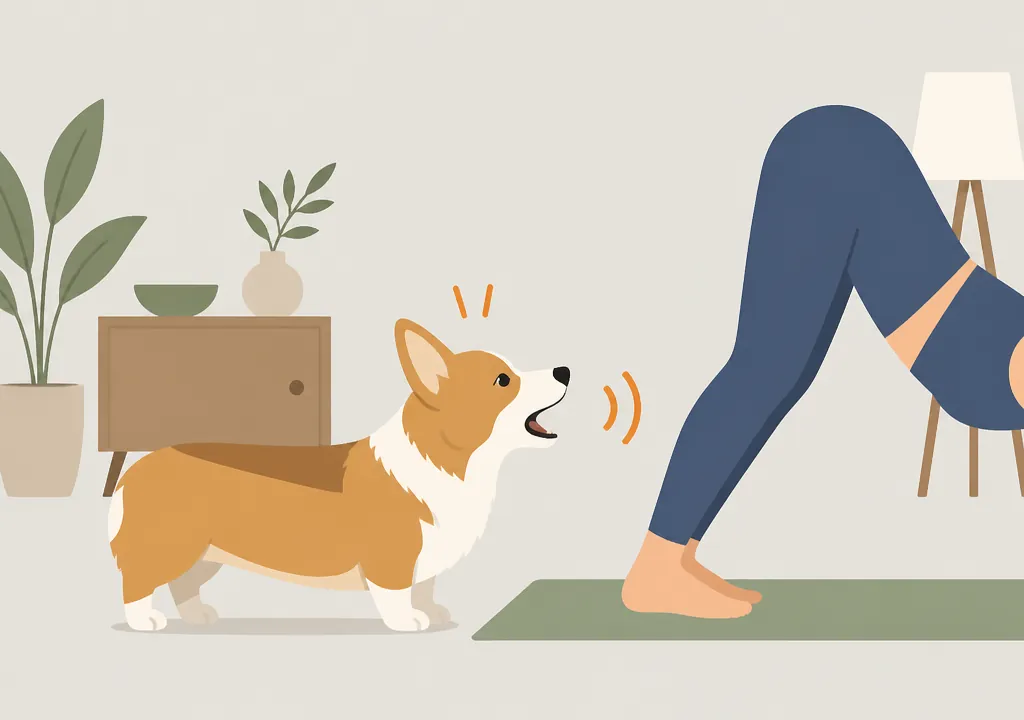
Bossy barking
Quiet ways to ask for what it wants.
Food, a moving ball and a person's company are different rewards. A Corgi asking for dinner may gain little from the praise that satisfies a request for contact. Teaching a quieter way to ask works better when the response answers the particular request, rather than offering the same substitute for every noisy moment.
The label bossy can obscure that practical question. Barking may have become an effective way to obtain something, but the dog may also need care, feel uncertain or be responding to an event outside. Check the setting before deciding that withholding attention is the relevant lesson.
Read the full guide: Quiet Ways for a Demand-Barking Corgi to Ask for What They Want
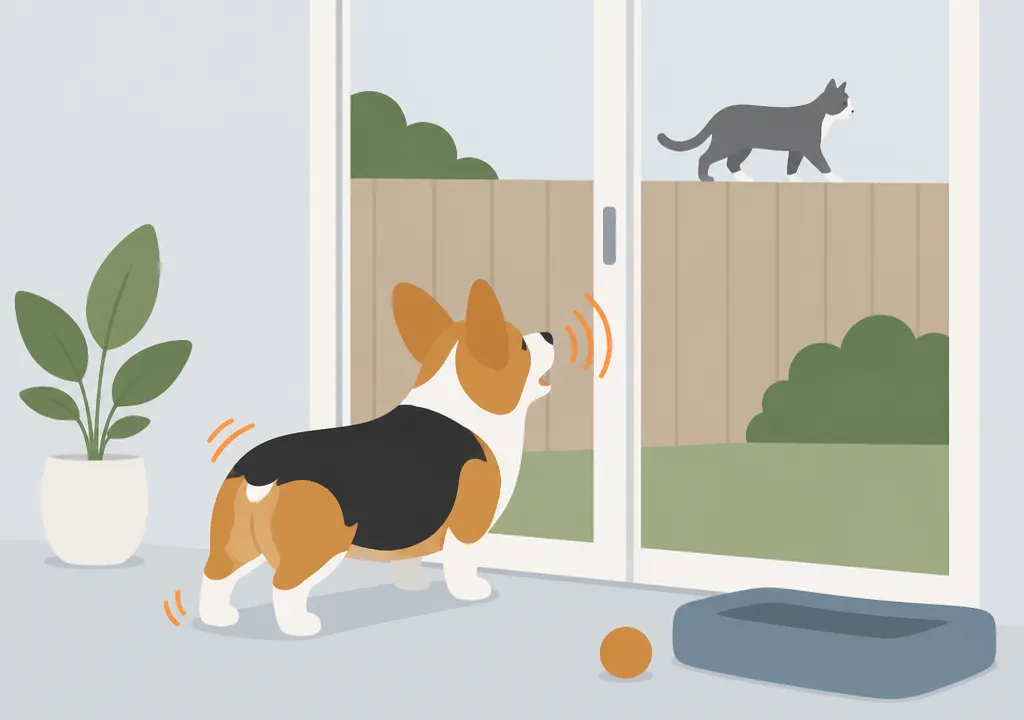
Barking at the window
One alert, then quiet.
Less barking and easier recovery are useful goals for a Corgi. Complete silence is not a realistic promise, and counting a single alert tells you little if the dog then spends the afternoon watching for the next event. Notice how readily they return to resting, exploring or interacting after something attracts their attention.
Both Pembrokes and Cardigans can be vocal, although individuals differ in what they announce. A view through the front window, a sound beyond the door and a request for play may require different changes. This article starts with an alarm record, then examines visual access, household sounds and a quiet cue taught in manageable moments. We also look beyond the pause, because what your dog does afterward determines whether quiet becomes usable in everyday life.
Read the full guide: Why Corgis Bark So Much, and How to Teach Quiet
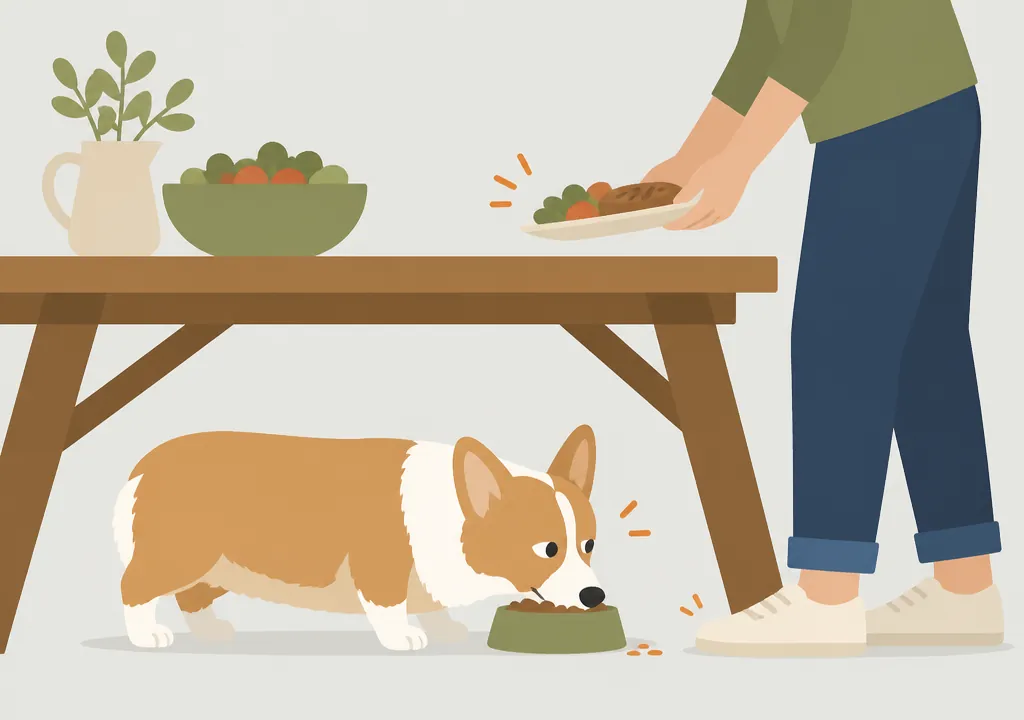
Guarding food
Trust around the bowl.
A food bowl should give a Corgi somewhere to eat without having to monitor approaching hands. If they stiffen or growl, the immediate priority is a safer feeding arrangement. Repeatedly touching the bowl to check whether they allow it adds another encounter to manage and tells you little about how comfortable the meal feels.
Food concerns are individual. Neither Pembroke nor Cardigan ancestry explains away a worrying response, and a dog who is friendly during play may still need substantial space around dinner. Small stature also makes it easy for a person to lean directly over the eating area without considering the dog's view.
Read the full guide: Helping a Corgi Who Growls Over the Food Bowl Feel Safe
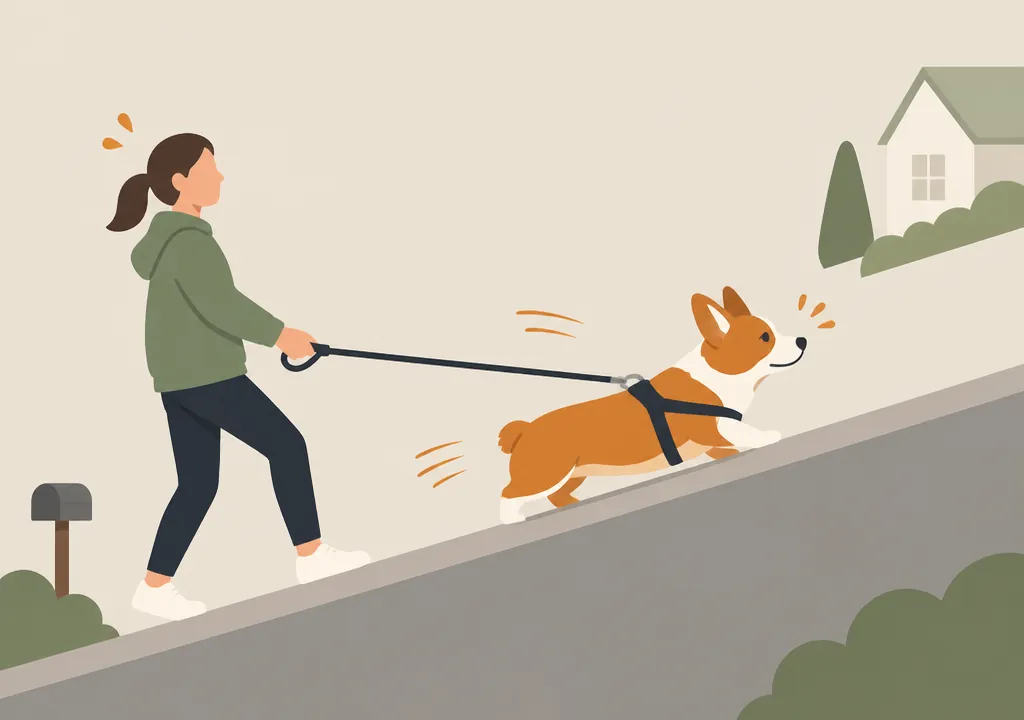
Pulling on the leash
Short legs, strong pull.
Following the pull is the most common Corgi leash mistake. You step forward to ease the strain, and the dog learns that pulling moves the walk along. These strong, low herding dogs can then haul with surprising force.
The full guide covers stopping, waiting for slack, rewarding it, and lunging around distractions.
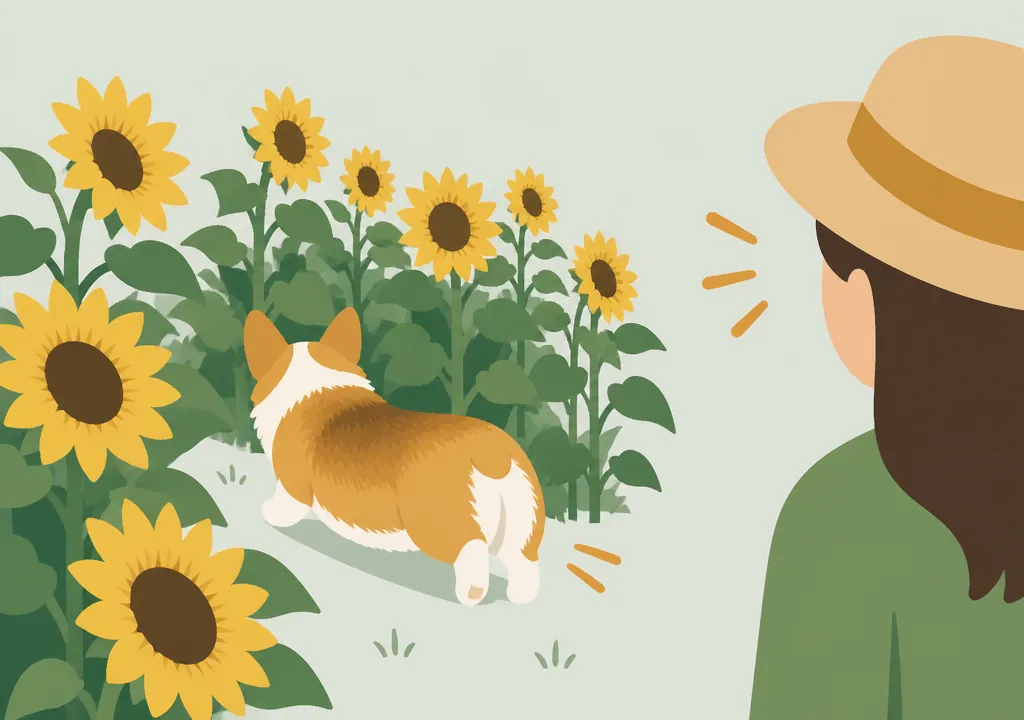
Selective hearing
A recall worth coming back for.
Coming back involves more than hearing a word. A Corgi has to leave the current activity, turn toward a person, travel to them and remain close enough for the return to be useful. Games let you practice those parts separately before asking for them together around something that moves.
Pembrokes and Cardigans have herding histories, so motion deserves thoughtful management. Children and other dogs should not become the first recall test, even after good practice at home. In this guide, we choose safe game conditions, reward close arrivals, alternate between adults and change the person's position. Manageable movement enters later, with observations helping you choose the next exercise instead of simply increasing distance after every success.
Read the full guide: Rewards and Games That Bring Corgis Back From the Chase
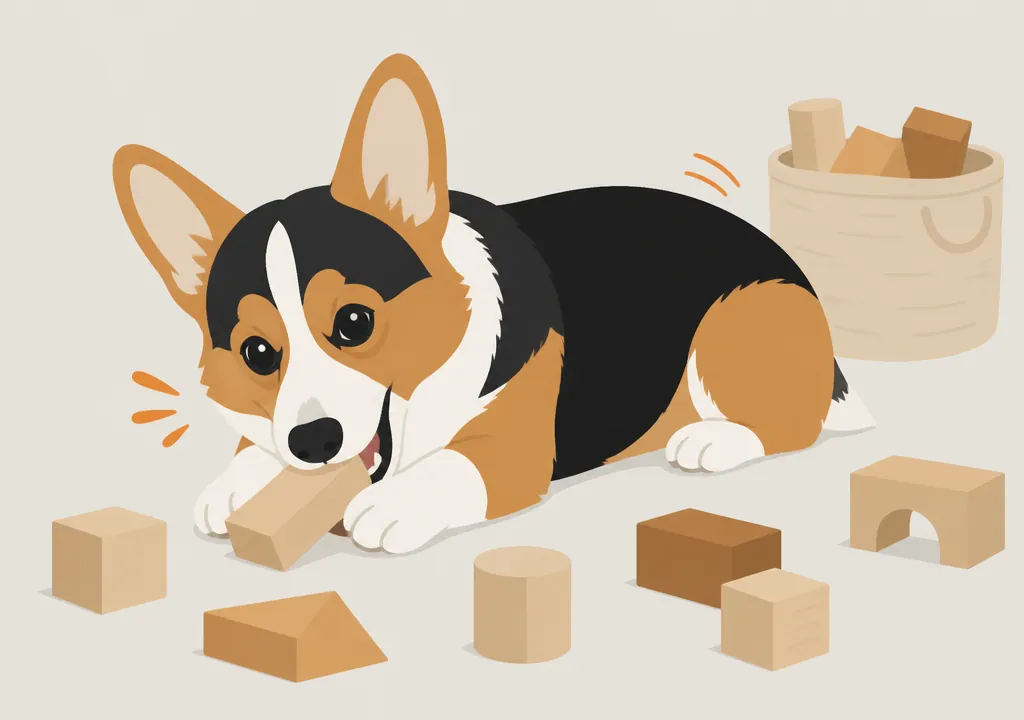
Chewing and stealing
The right chews for busy jaws.
A chew can be appealing without being suitable, and recovering a stolen sock does not necessarily teach a release. Those are separate decisions. A Corgi needs appropriate things to use with their mouth, while the household needs a safe way to manage belongings and a cooperative skill for ordinary exchanges.
Pembrokes and Cardigans are active herding breeds, but that description cannot tell you which material an individual will carry, work on gently or pull apart. Watch the use of the object rather than choosing solely by the dog's size or the picture on the packaging.
Read the full guide: Safe Chews and Swap Games for a Corgi Who Steals Everything
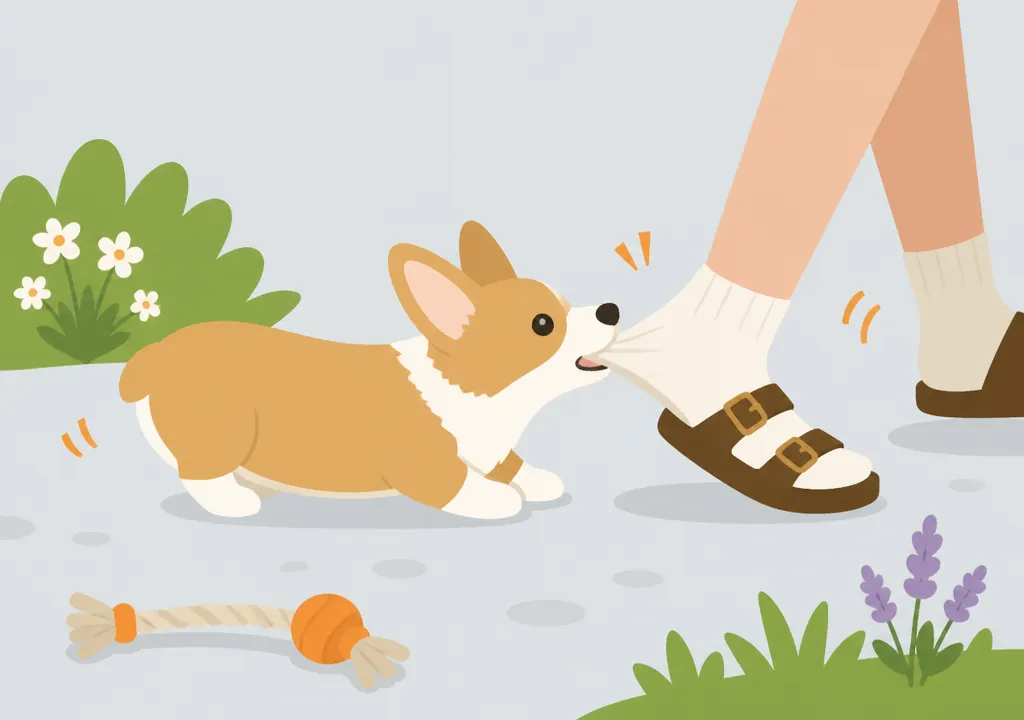
Puppy biting
Herding puppies love ankles. Redirect.
Most puppy-biting advice says ignore the mouth and wait it out. That fails with a Corgi, because the breed was developed to nip cattle heels, so ignoring a puppy on your sock leaves the fun intact.
The full guide redirects the nipping into games, so the adult keeps a soft mouth.
House training
A clear routine for a small bladder.
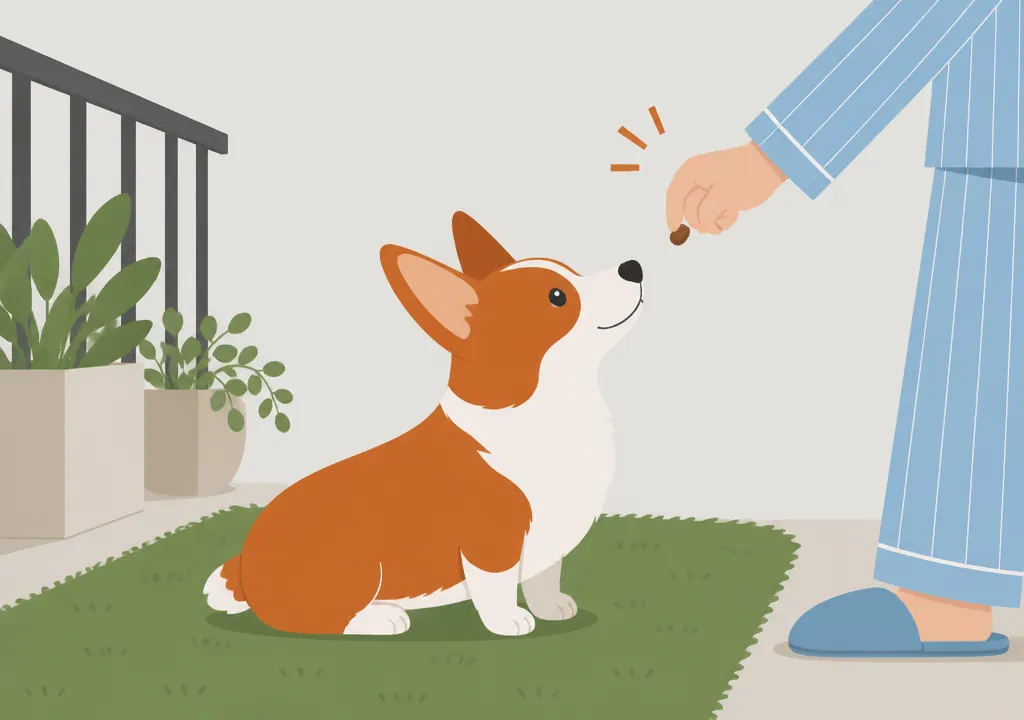
Some Corgis are reliably clean indoors within a few months, with frequent trips outside and a treat the instant they finish. Others leave puddles long after, and the gap is usually routine, not character.
The full guide lays out that routine, from day one to a puppy who asks to go out.
A stubborn streak
Motivate a dog with its own opinions.
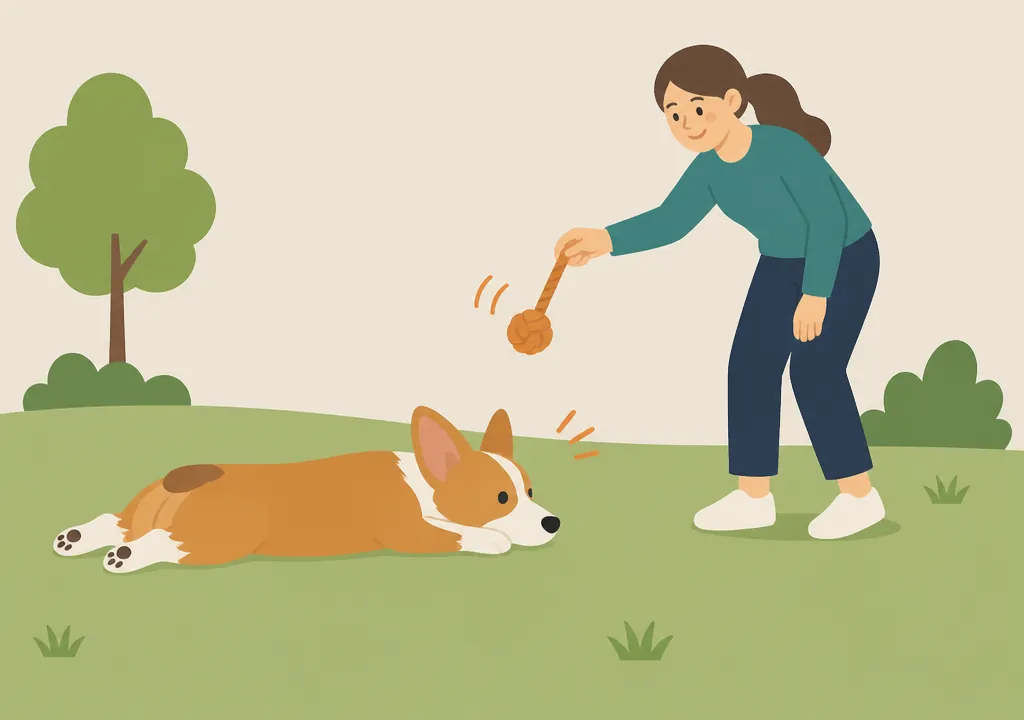
Guests freeze while the Corgi circles their ankles, nipping at heels. That is herding temperament, not rudeness. Corgis are bright and opinionated, and owners who raised other breeds often call a Corgi puppy more work.
The full guide answers whether Corgis are easy to train and how to motivate an opinionated dog.
The teenage months
Patience while a young Corgi tests limits.
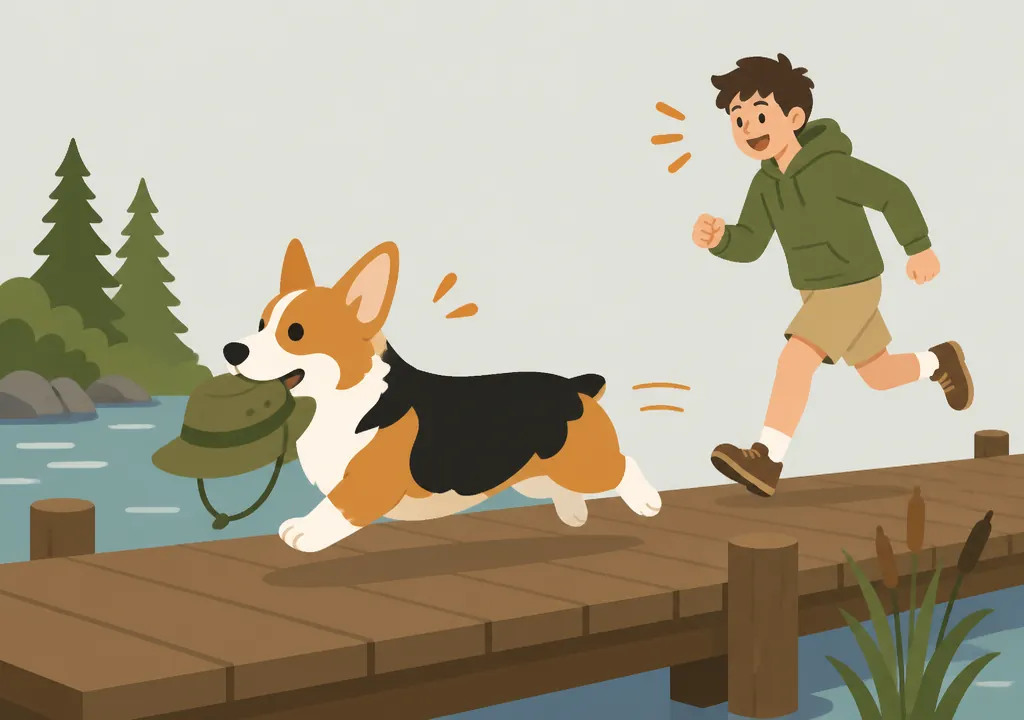
Corgis learn a cue in an afternoon and comment on the whole lesson, yet they grow up slowly. A plan for only the fast part leaves a clever herder with opinions and no manners.
The full guide runs from 8 weeks to 2 years, session pace by month, and when calm arrives.