 Corgi
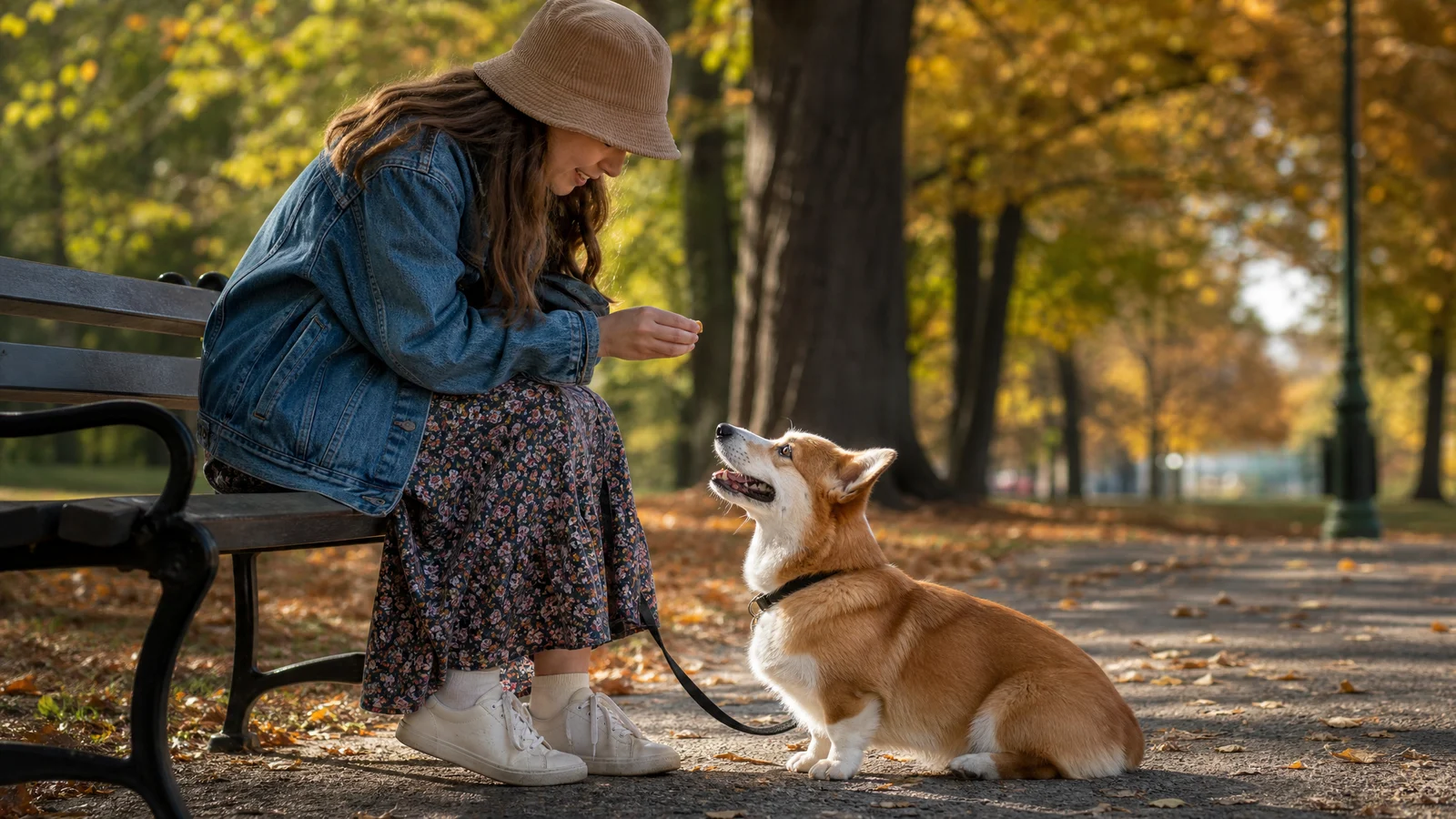
Corgi training works best with positive, reward-based methods that start early and stay gentle. That suits a sensitive dog with a mind of their own, and one that herds, barks and bargains like a small boss.
Expect a demanding puppy. Many owners who have raised other breeds find a Corgi puppy more work than they planned for, sometimes close to a full-time job, while a smaller group finds their dog easy. The hardest stretch usually passes, and handled well, you end up with a quick, funny, thoroughly engaged partner.
In this article, we'll go through the first weeks home, socialization and the first cues, the teenage months, and how to adapt training for adult and senior dogs, then finish with a two-week plan.
Reward-Based Training Suits the Sensitive Corgi
Pembrokes are sensitive, intelligent dogs, and the Pembroke parent club says they are easily trained with gentle handling. We have worked with this breed for many years, and that matches what we see. Pressure makes a Corgi shrink, bark back or tune you out. A reward worth having makes the same dog work like a tiny professional.
The science points the same way. Current evidence supports only reward-based methods for all dog training, including behavior problems. Treats, praise, play and life rewards such as a door opening or a sniff are all payment your Corgi will work for.
Cardigans lean a little more willing. Their parent club says they excel in training because of a willing-to-please attitude, and both breeds rate 4 of 5 for trainability. Both still have opinions, so plan on training being productive but not automatic. If you are still choosing between the two, how the two breeds compare in daily life is worth a read.
Smart is not the same as obedient. Owners describe a Corgi who clearly understands a cue and then decides whether it is worth doing. So make it worth doing. Pay with something your dog values, and pay each cue out the same way every time. When every cue is paid the same way each time, your dog has far less reason to hesitate or refuse later.
Sensitivity also shows in how Corgis read you. Some owners find a disappointed tone works far better than an angry one, and a calm answer to barking works better than matching the noise. Dogs differ widely, and a second Corgi is often easier simply because you learned the first one's signals.
The First Weeks Home Set the Corgi's Training Rules
Start the first evening, not after the puppy has settled in. Say the name, feed a tiny treat for any glance at you, and repeat in short bursts through the day. Corgis are bright enough to learn quickly that checking in with you pays, and that one habit makes every later lesson easier. The rest of these weeks is about routines.
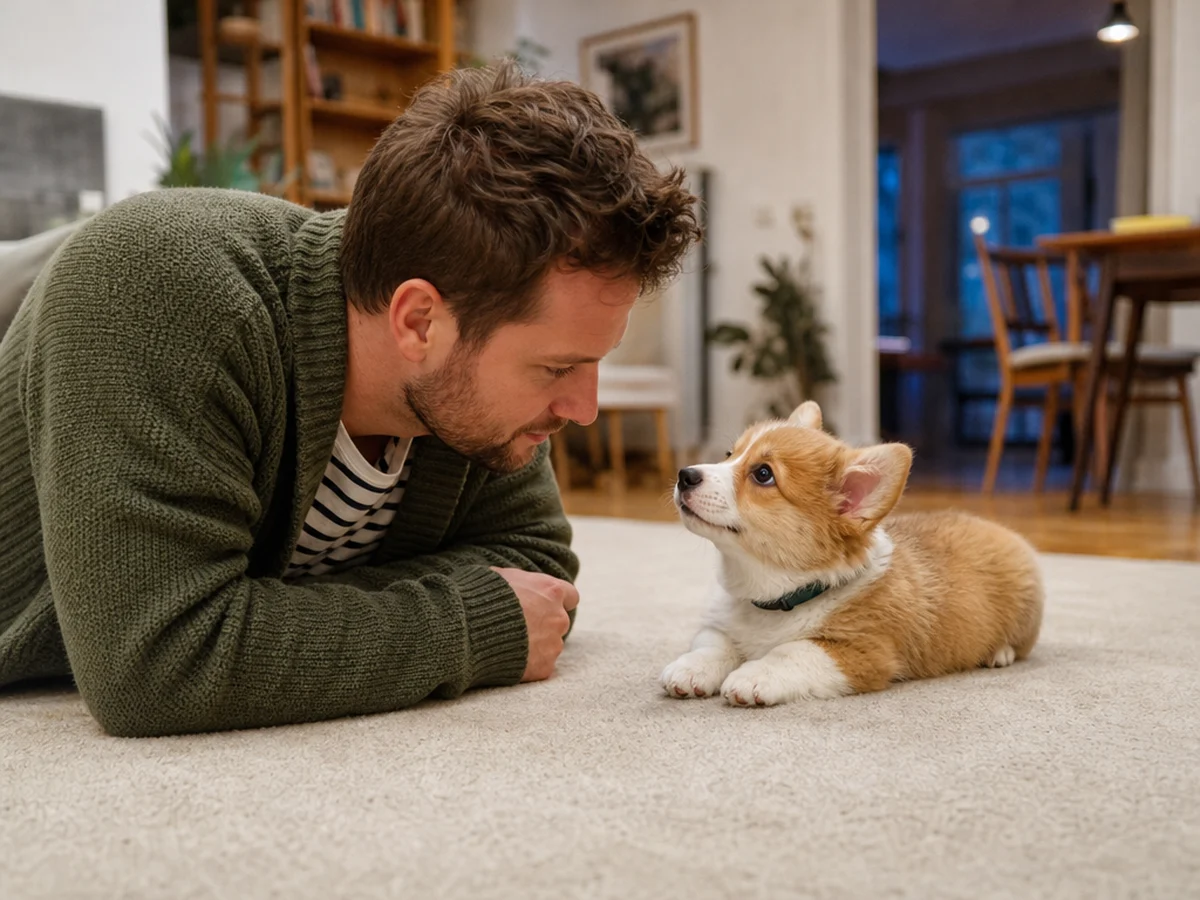
House Routines and the Crate
Take the puppy out after sleeping, playing and eating. Use the same spot and the same cue words, and reward with treats and happy praise the second they finish. Frequent scheduled trips, a bell or doorbell on the door, baby gates and a tight schedule all helped owners who housebroke quickly.
Expect it to take longer than the books promise. Many owners, experienced ones included, find house-training takes months, and stubborn Corgis can need six months to a year or more, with slips or marking around a year. A puppy who looks guilty after an accident is reading your mood, not admitting a plot. Our potty training walkthrough goes step by step, and some owners saw progress only after they dropped pee pads.
Make the crate a place worth visiting by feeding special food in there, and use structured nap times so the puppy learns to switch off. Rest is training too, and a tired puppy bites more. For the full routine, see Corgi crate training and separation anxiety, which goes into much more detail.
- Pay the name-glance, the sit and the calm moment with real food, and keep the pieces tiny.
- Pick one door, one potty spot and one set of cue words, and make sure everyone in the house uses them.
- Manage the space with gates and a pen so mistakes stay rare and you spend more time rewarding than redirecting.
- Give the puppy something legal to chew, such as a cardboard box or a supervised stuffed Kong, before they pick their own.
Handling, Biting and Herding
Touch paws, ears, mouth and back every day, one treat per touch. Many Corgis dislike nails and brushing, and a missed routine can undo progress. Progress with a handling plan varies widely, from a few days for some dogs to months for others, so go at the dog's pace.
For puppy biting, owners report that a yelp, a brief pause in play, or redirecting to a toy helps. Teaching an alternative such as gentle kisses works too. It can take many months, and excited nipping may linger, so stay patient. Herding starts early as well. Pembrokes happily round up running children, so begin now by rewarding calm near kids and teaching children to stand still and be boring.
Resource guarding can appear around food and chews. Trade for something better rather than grabbing, and keep high-value chews for when the dog is alone in a safe spot.
Socializing and Early Training for Your Corgi Puppy
Treat socialization as a series of calm, repeated meetings, not one big party. Let the puppy watch people, bikes, vacuums and well-mannered dogs from a distance where they stay relaxed, pay for calm, and leave while things still go well. Ask your veterinarian which places are safe before vaccinations are complete. Some Corgis are timid, and a few have even peed from fear at the vacuum, so go slower with those pups.
Meeting Dogs and People
Many owners report bossiness, herding, barking or reactivity toward other dogs, and it shows up in dogs with every kind of socialization history. Pembrokes living with other dogs, especially larger breeds, generally become the boss and herd the others around. So do not treat socialization as a vaccine you finish. Choose calm adult dogs for repeat meetings, reward loose, relaxed bodies, and end before the play turns pushy.
Strangers will want to meet your dog, and the breed is generally open to them. That is lovely for some owners and tiring for others. You can ask people to wait for a sit, or simply say no thanks. Puppy classes help here, since they give structured exposure and a trainer's eye on your timing.
Sit, Come and Settle
Three cues are worth teaching first. Sit is the easy win and a polite way to ask for everything. Come should always pay off well, so never call your puppy to end fun or to do something they dislike. Settle gives your busy dog an off switch. Keep sessions short and frequent, use high-value treats, and reward only calm behavior.
- Drop a mat in a quiet room and reward any foot that touches it.
- Reward lying down on the mat, then reward again while they stay there.
- Add the word settle just as they lie down, and pay with a slow, calm treat.
- Build up the time between treats, then practice in busier rooms.
When the cues hold at home, take them outside and start on loose-leash walking. Short sniff walks beat long marches at this age.
Training Through the Teenage Months
Somewhere past the early months, your listening puppy turns into a selective listener. They seem to understand every cue and answer only when they feel like it. This is testing, not forgetting. Owners describe the hardest stretch as lasting from several months to about a year and a half, and some only began to enjoy the dog after the first year. Some adults are still a handful at two or three years, so build your plan to last.
- Return to easier exercises and pay generously, then raise the difficulty gradually in new places.
- Keep sessions brief and upbeat, and quit while the dog is still keen.
- Use the same cues and rules across the whole household.
- Don't ease off. Owners say that relaxing training in these months backfired, while steady classes and constant consistent work produced a well-behaved dog who kept their personality.
Herding Nips and Bossiness
Some teenage Corgis bully other dogs, instigate wrestling matches or try to run the household. Heel nipping at running kids tends to peak here. Interrupt calmly, pause the game, and then pay for the behavior you want, such as a sit or a settle on the mat. Strict schedules and rules, plus shaping the dog's choices instead of demanding obedience, helped dogs settle and gain confidence.
Barking and the Last Woof
Barking is a recurring issue in both Corgi breeds. Some owners had success with a hush cue, waiting for silence and then paying it. Others accept an alert bark as the dog's job and ask for a quiet after a few woofs. Be ready for a dog who insists on the last woof. Block window views if the barking is trigger-driven, and answer in a calm voice.
A word against common advice: do not rely on ever longer walks to settle a teenage Corgi. Some owners find walks alone are not enough, and several find that mental work tires and calms them more usefully than extra miles. Pair moderate walks with play, sniffing and short training sessions, and add Kongs, snuffle mats and puzzle toys.
Some owners reach a point of wanting to rehome their Corgi, and many stay through it and say they would never trade the dog. If you hit that wall, bring in a reward-based trainer rather than doubling down alone.
Adult Corgi Training Keeps a Clever Mind Busy
An adult Corgi who has stopped learning will usually start inventing projects, and those projects are rarely ones you approve of. Mental stimulation needs are rated high for the breed, and owners say walks alone are not enough. Keep your cues sharp with occasional payment, and add something new every few weeks so your dog keeps thinking.
New Cues and Everyday Jobs
Teach tricks and chain them together. Play find-it games, hide treats or toys, and rotate puzzle toys, snuffle mats and stuffed Kongs. You can also make everyday tasks harder, for example by asking for a sit and a down before every door and bowl. An everyday job such as putting toys into a basket can be taught in small reward-based steps too. Agility suits the breed too, with reward-based instructors, and checking with your vet first for jumping work.
A Corgi who is always eager for food gains weight easily, and some owners found it hard to slim their dogs down. Use part of the daily meal for training and mix in play, praise and permission to sniff as rewards.
Vet and Grooming Cooperation
Adults who dislike handling can still learn. Pair every brush stroke and nail touch with treats, and keep the routine daily, since a missed routine can undo progress. For stressful vet visits, a muzzle can become a comfortable tool when you train it with rewards. Muzzle training and cooperative care with treats helped some owners, and if handling stays stressful, bring in a reward-based professional early.
Thinking of adopting an adult? Some owners say an older Corgi would have been easier, and adults often come past the hardest stretch. Prepare for the same bossy, barky, clever character in a calmer package.
Senior Corgis Need Shorter, Gentler Training
An older Corgi still loves working for treats, but their body sets the pace. The breed has a low-set, sturdy build, so training should protect the back and joints. Keep sessions brief and upbeat, work on soft surfaces, and ask for cues in positions that are comfortable. Lure a sit or down rather than asking for repeated jumps, and save the stairs for when the dog actually needs them.
Swap strenuous games for scent work and slow tricks. Settle on a mat becomes your best cue, since it gives an aging dog a comfortable place to rest and still earns rewards. Hide treats around the house, and let the dog sniff on easy, flat walks. Gentle mental work keeps a clever mind sharp without wearing out the joints.
Weight matters more with age. Corgis can gain weight easily, so extra pounds are worth watching as your dog gets older. Subtract what you hand out during practice from the daily meal, and keep sessions focused on praise and small rewards.
If your senior suddenly stops answering cues, resists being touched or hesitates to move, do not assume stubbornness. Call your veterinarian, and keep regular checkups on the calendar.
This is general information, not medical advice. Questions about pain, mobility, medication or your dog's diet and weight should go to your veterinarian.
Start Tonight and Let Gentle Training Compound
The main lesson is simple. This sensitive, clever and sometimes bossy dog gives you far more for small, gentle, consistent rewards than for raising the pressure. Each paid-out cue builds trust, and trust is what carries you through the stubborn stretch. The hardest months do pass, and the Corgi who comes out the other side is one of the most engaged dogs you will ever train. The steps below give you a simple way to start over the next two weeks.
- Tonight and tomorrow, choose one high-value treat and one marker word, then pay every glance at you and every calm moment.
- Over the following days, lock in the routine: potty trips at set times with the same cue, special food in the crate, and meals earned with a sit.
- Midweek, add sit, come and settle on a mat in a few short sessions a day.
- Late in week one, start daily handling of paws, ears and mouth with a treat for each touch, and book a vet visit if one is due.
- Early in week two, pick one trouble spot, such as barking, nipping or pulling, then decide what you want instead and pay it every time.
- In the final days, add a mental job such as find-it or a snuffle mat, review what worked, and keep the best parts going.
Then repeat, with the bar raised slightly. Small, steady steps are how a Corgi learns to choose your cues.
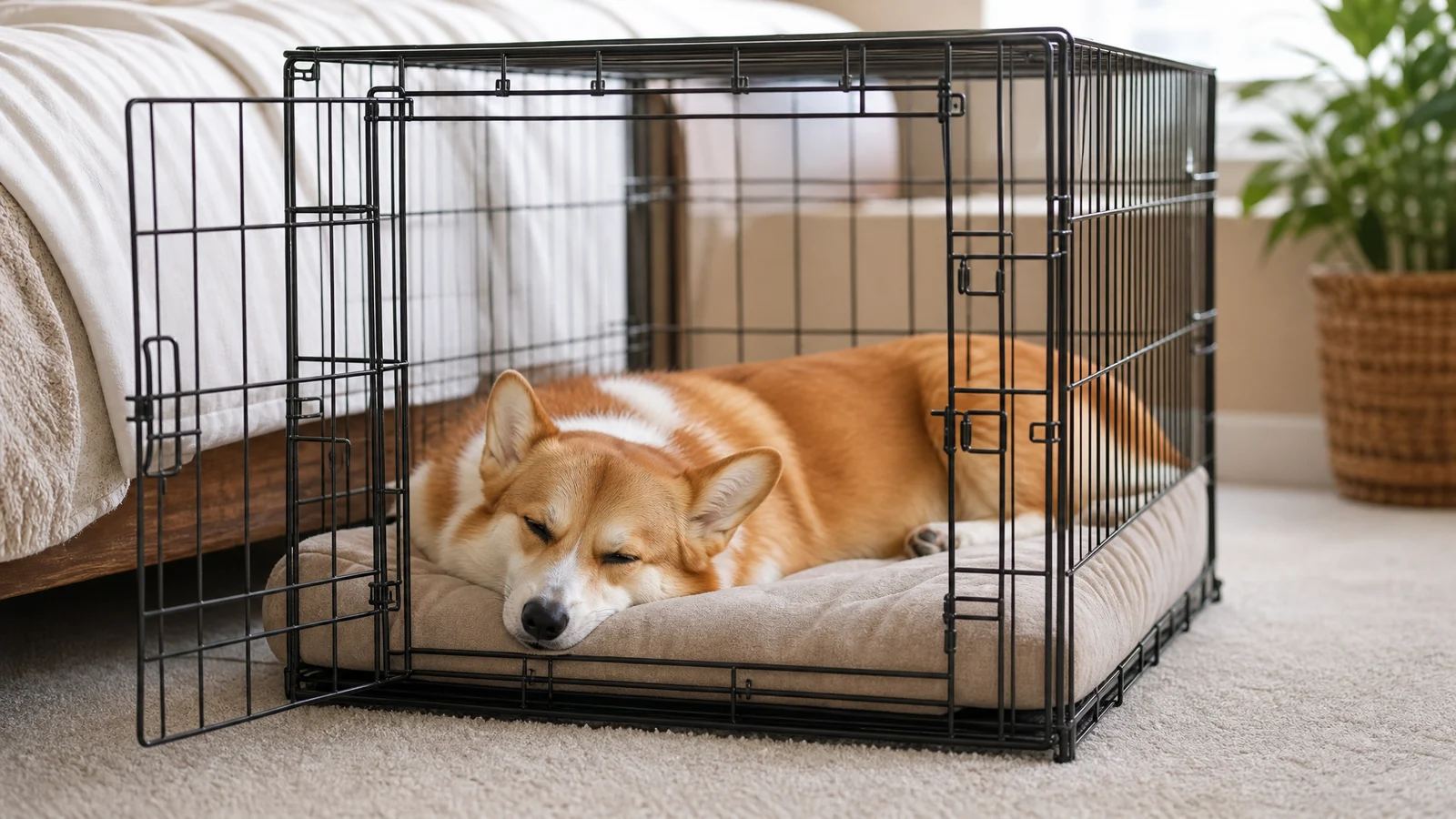 Training basicsCrate Training a Corgi and Preventing Separation Anxiety
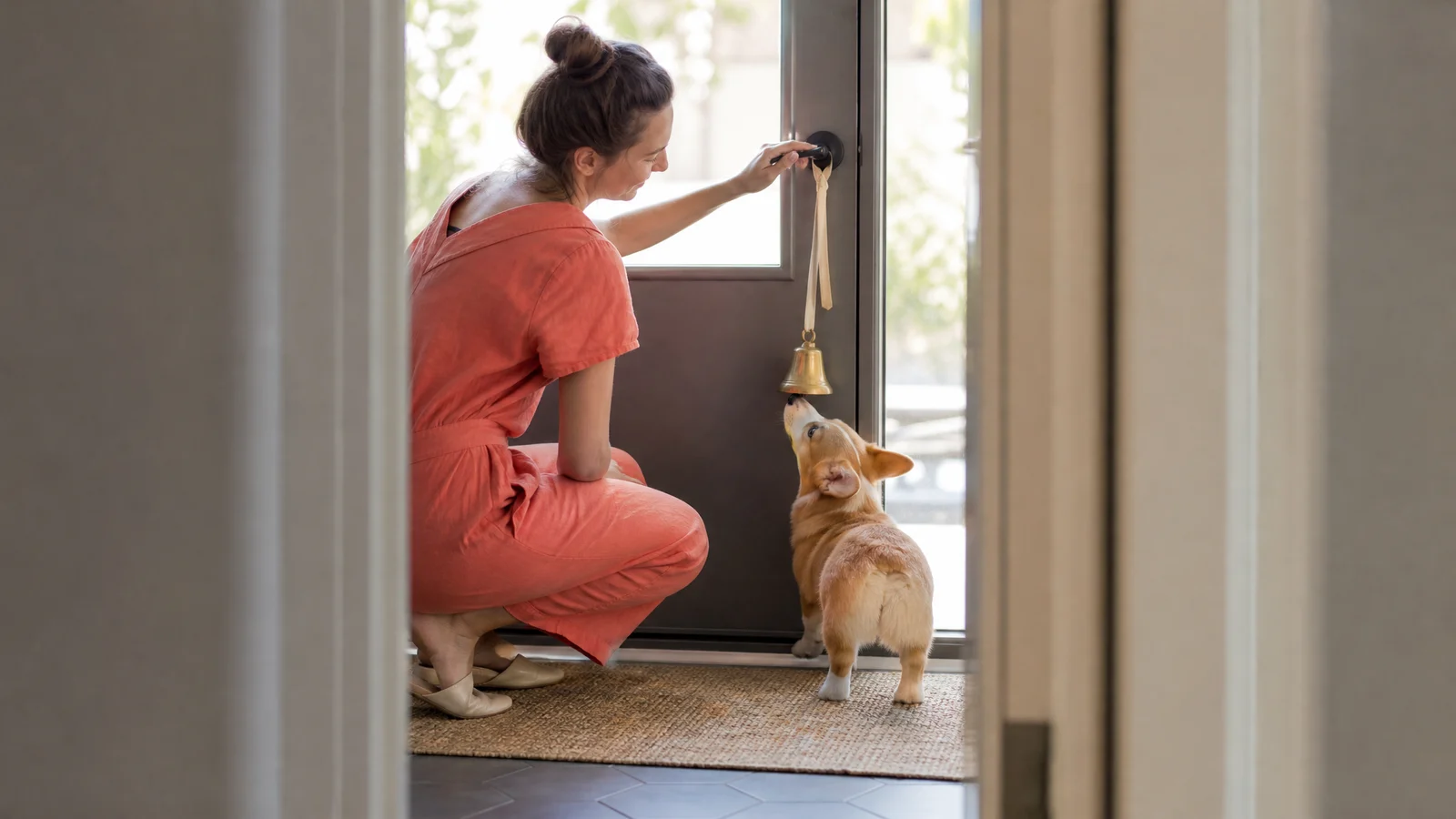 Training basicsHow to Potty Train a Corgi Puppy
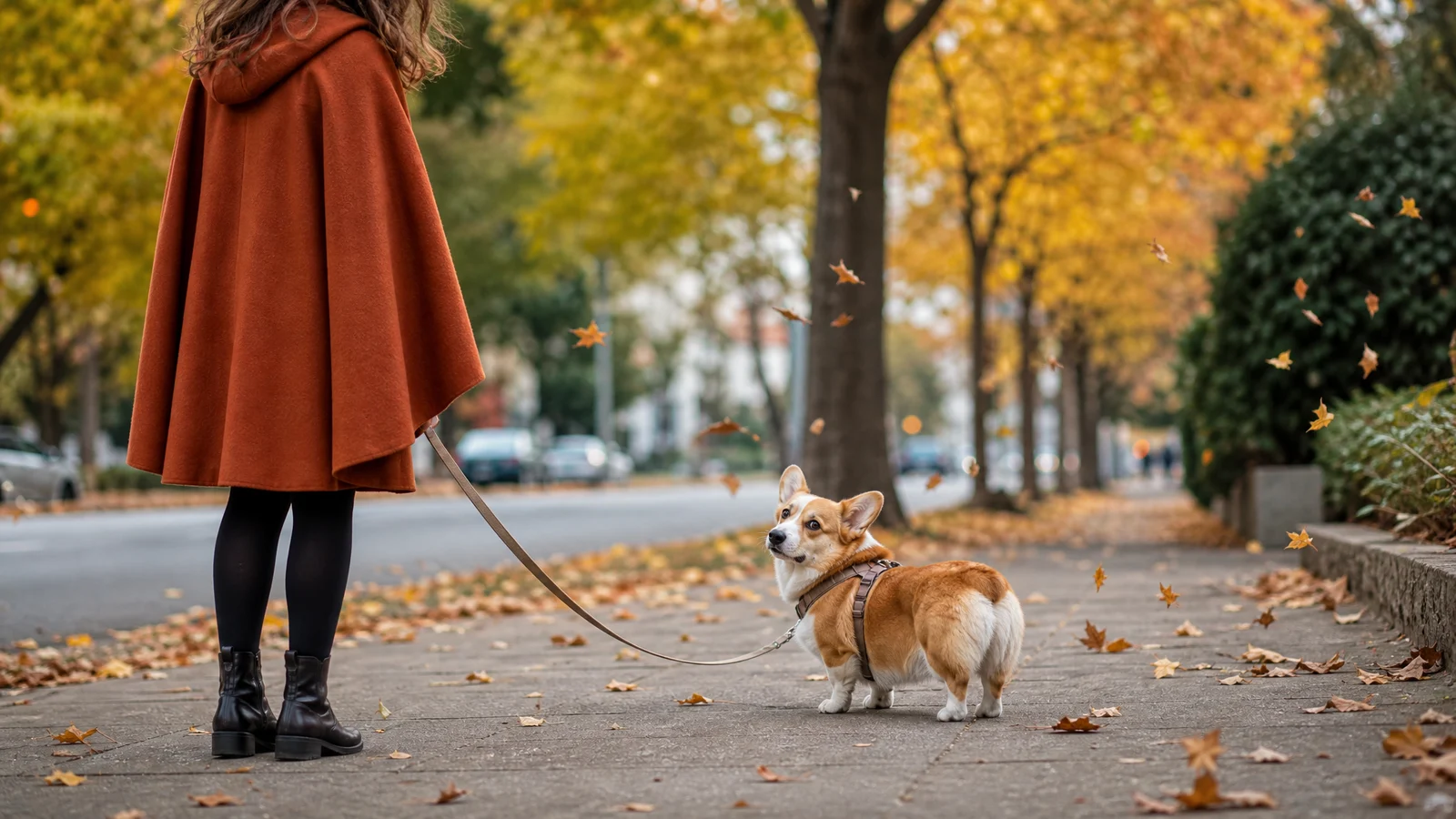 Training basicsLeash Training a Corgi: Pulling, Lunging and Loose-Leash Walking