 Corgi
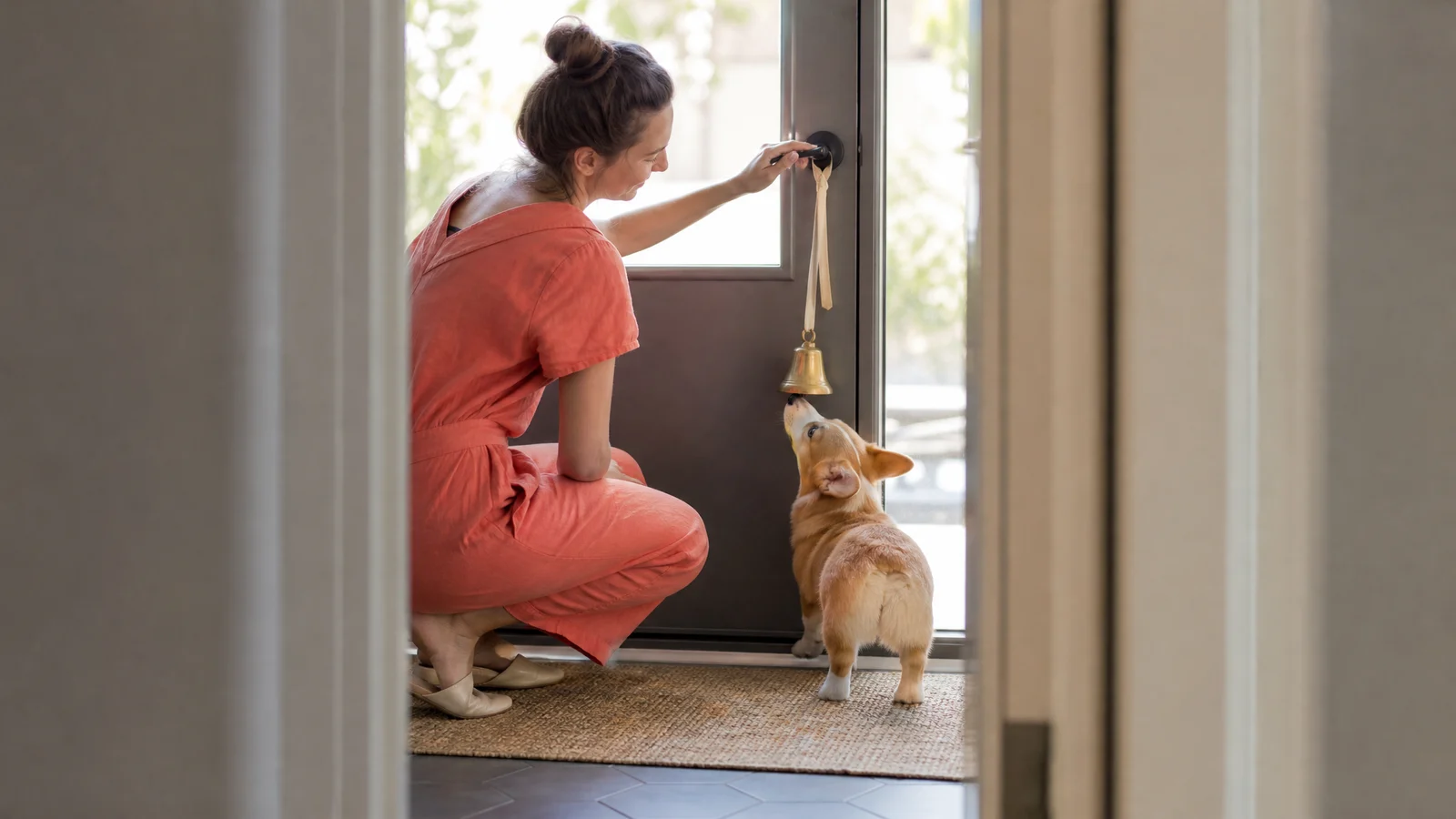
Some Corgis are reliably clean indoors within a few months, thanks to frequent trips outside, a treat the instant they finish, and a bell on the door. Others are still leaving puddles long after, even in homes with experienced dog owners. The gap usually comes down to routine, not to your skill or your dog's character.
We have trained Corgis for many years and specialize in their behavior, so this plan is built around how these sensitive, quick-learning dogs respond. Handled badly, accidents turn into a months-long grind. Handled well, you get clean floors and a puppy who trusts you.
We'll walk you through one hypothetical ten-week-old puppy in a two-bedroom apartment, then the reward method, a full day's routine, realistic timelines, the setbacks you are likely to meet, and the night breaks.
Our Example Corgi Puppy
To keep this concrete, we'll follow one typical setup from start to finish. The puppy is a ten-week-old Corgi who has just arrived in a two-bedroom apartment, and the plan works the same for a Pembroke or a Cardigan, whatever the coat color or build. Corgis outside the breed standard in color or coat are part of this family too, and the same goes for puppies from any breeder.
The layout drives everything. The front door leads to a short walk and a patch of grass, and that patch becomes the one potty spot. Inside, a baby gate closes off the living room and kitchen as the daytime zone, the crate sits in the main bedroom, and the spare bedroom stays shut.
If the puppy has too much floor, you cannot watch all of it, so shrink the space until you can. Many owners who housebroke quickly credit this kind of tight structure. The kit is short, and each item does one job:
- A baby gate keeps the puppy in the one area you can see from wherever you stand.
- Tiny, soft treats live by the door so the reward is never delayed by a trip to the kitchen.
- A bell or doorbell on the door can later let the puppy announce that they need out.
- A leash gets you to the spot and keeps the trip about business.
- A cleaner made for pet accidents removes the scent that pulls a puppy back to the same place.
- Pee pads stay out of the kit, because owners report that pads teach Corgis that soft, absorbent surfaces indoors are acceptable, and the dog starts using rugs or white items.
Rewarding Corgi Potty Training
Everything here runs on rewards, and that suits the breed. Pembrokes are called a sensitive breed that does best with positive handling, and the broader evidence points the same way: reward-only training is recommended for all dogs, and a 2020 study found more stress signs in dogs from schools using aversive methods. Three details decide whether the method works for our puppy.
Treat at the Finish Line
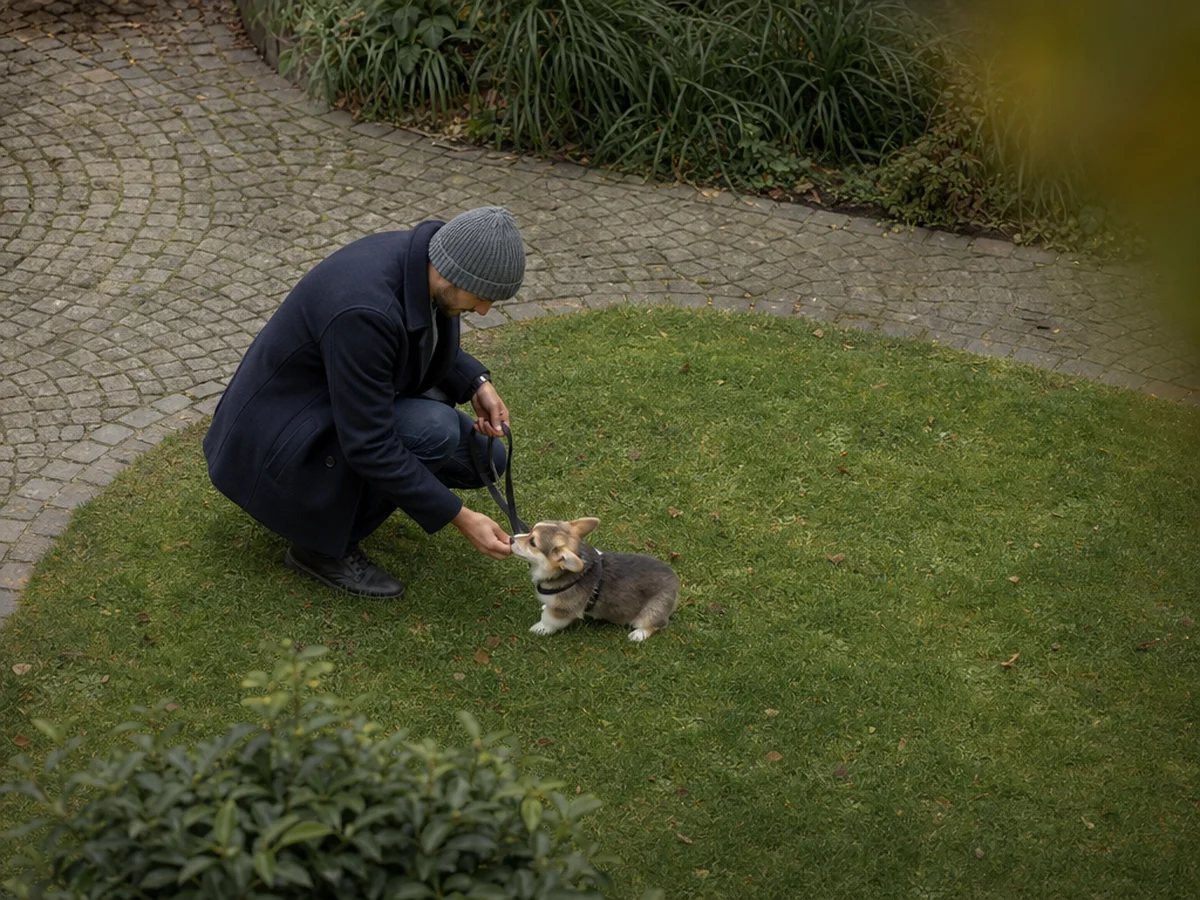
Timing is the first detail. Hand over the treat while the puppy is still standing on the grass. If you reward right after they finish, the puppy links the payoff to the act. If you wait until you are back through the door, you have rewarded the doorway.
Say the cue word once as they start to go, then stay quiet. If the puppy keeps staring at you instead of sniffing, you are probably too lively, so stand still and be dull.
Picking What Pays
Owners report success with treats, praise, and a burst of excitement alike, so watch which one your puppy values. If they gulp a tiny soft treat, use that. If they melt at a happy voice, make the celebration bigger, since a reward the dog truly likes makes the behavior more likely next time.
If big excitement makes the puppy abandon the job halfway, hold the party until they finish. A warm voice plus a small treat usually suffices for a dog who reads your mood closely.
Thinning Out Treats
Once the puppy goes at the spot reliably, keep praise on every trip but let treats become less predictable. Reward most trips, then some, and let the occasional surprise keep the habit alive.
If accidents creep back as treats thin out, you faded too fast, so return to a treat every time for a while. The cue word and the bell cost nothing, so keep them for good.
Daily Potty Training Routine
Here is one full day for our puppy, built so that nearly every trip follows an event. Steady meal and nap times make the trips predictable, and that predictability gives you the same chance to reward the right spot again and again. Whichever block you are in, the rule is the same: either you are watching the puppy, or the puppy is in the crate.
Morning and After Meals
The day opens with a trip before anything else, with the puppy carried or leashed straight to the spot. Treat, praise, then breakfast. After every meal, nap, and play burst, repeat the trip.
If the puppy sniffs the floor, circles, or wanders off mid-game, go out immediately. If the trip produces nothing, come back in and keep them in the gated zone or crate for a short stretch before trying again, because roaming after a failed trip is where most accidents start.
Midday Supervision
If you cannot watch, the crate is the answer, and our guide to crate training a Corgi covers the setup. Owners also find that structured nap times calm the day and improve behavior overall.
If you work away from home, someone has to cover the midday trip, because a puppy this young cannot wait until evening. This is also a good time to add the bell: guide the puppy to touch it before each trip so the sound always means the door opens.
Evening Wind-Down
Evenings tend to be accident-prone because the household is tired and the puppy is wound up. Play first, then a trip, then calm time on the gated side of the apartment.
Give the last trip right before bed, with a treat, then the crate. If accidents cluster at the same hour every night, add a trip just before that hour instead of waiting to see what happens. Regular vet visits are worth keeping through all of this, so your puppy's growth gets checked along the way.
How Long Corgi Potty Training Takes
Expect it to take longer than you hope. Many owners, including people who have raised dogs before, find that house training a Corgi runs from several months to a year or more, and first-time owners often worry they are doing something wrong. Slow progress alone is not a sign of failure.
Follow our puppy through it. In the early weeks, accidents are frequent because the puppy is still learning where the spot is, and your job is to keep the schedule tight. Over the following months, accidents should shrink to the moments when the routine slipped.
If our puppy is one of the slower ones, real reliability may arrive somewhere between about six months and a year or more, and some dogs regress or start marking around a year. Others get fast results with a tight routine of frequent trips, treats and praise, a bell, baby gates, and a fixed schedule.
What separates the two groups is mostly consistency, and a shy puppy may simply need longer. Judge progress by direction, not by the calendar. If accidents are getting rarer, the plan is working, and if they are not, check that everyone uses the same spot, cue word, and reward.
Common Potty Training Problems
Even a well-run plan hits bumps. These are the three our example puppy is most likely to meet, and each has an if-this-then-that fix.
Indoor Accidents and Cleanup
Some owners read indoor peeing as spite, but a Corgi's behavior is better explained by sensitivity to mood. A disappointed voice works better than an angry one, and some dogs look ashamed after an accident without any scolding at all. Some even pee from fear, such as at the vacuum.
Treat every accident as a training gap. If you catch the puppy mid-act, calmly carry them out and reward if they finish there. If you find it later, say nothing, clean thoroughly, and ask what the schedule missed. Keep rugs and white items out of reach for now.
Refusing to Go Outside
If the puppy stands at the spot, does nothing, then pees the moment you come back in, they are learning that indoors is where it happens. Walk back inside, gate or crate them for a short stretch, and try again soon.
Also check the outdoor experience. A puppy still gaining confidence may be unsettled by noise and passing people, so choose the quietest patch and keep the visit calm. If distraction is the issue, skip the chatting and save the best treat for the moment they finish.
Regression Around a Year
Some Corgis regress or start marking around a year, even after months of clean days. If the puddles are small and on upright objects, expect marking and respond with closer supervision, gates, and rewards for the right spot. If they are larger puddles in open areas, the schedule has probably slipped, so go back to the puppy routine.
If a reliable dog suddenly has accidents and the routine hasn't changed, mention it to your veterinarian soon.
Overnight Potty Breaks
At ten weeks, our puppy likely cannot sleep straight through, so the night needs a plan too. The crate sits beside your bed in the main bedroom, which means you hear the first fuss instead of finding the result in the morning. If the puppy wakes and whines, assume they need to go and take them out.
Make the break boring. Keep the lights low, use the leash, walk straight to the spot, give a quiet treat when they finish, and go straight back to the crate without play or chatter. A clever, energetic Corgi who gets a game at night will start asking for one.
If they cry again right after a trip, they are probably protesting, so wait for quiet before opening the crate. The stretches lengthen as the puppy matures. Once they have gone several nights without needing a trip, stop offering one, and if accidents follow, return to the previous schedule.
One Potty Training Step Today
Every approach owners credit comes down to consistency. Corgis are sensitive, bright, and quick to link events, so a calm routine with an immediate reward teaches better than any trick, and it protects the trust of a dog who reads your mood.
Expect months rather than weeks, and treat a slow week as ordinary. A puppy making gradual progress is on track, whether they live in our example apartment or your own home.
So do one thing today. Pick the potty spot outside, put treats by the door, and take your puppy out on the next scheduled trip, rewarding the moment they finish.
 Training basicsLeash Training a Corgi: Pulling, Lunging and Loose-Leash Walking
 Training basicsPembroke vs Cardigan Corgi: Which Is Easier to Live With and Train?
 BehaviorSocializing a Corgi With Kids, Dogs and Strangers